By Matthias Hitzel

Climate resilient rural water supply and sanitation

Background:

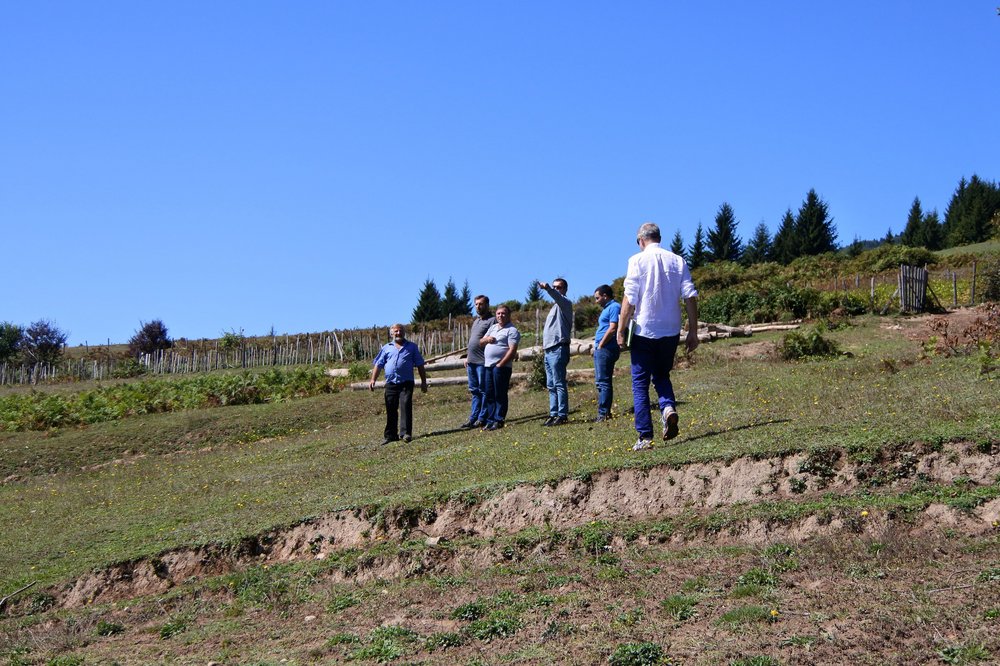
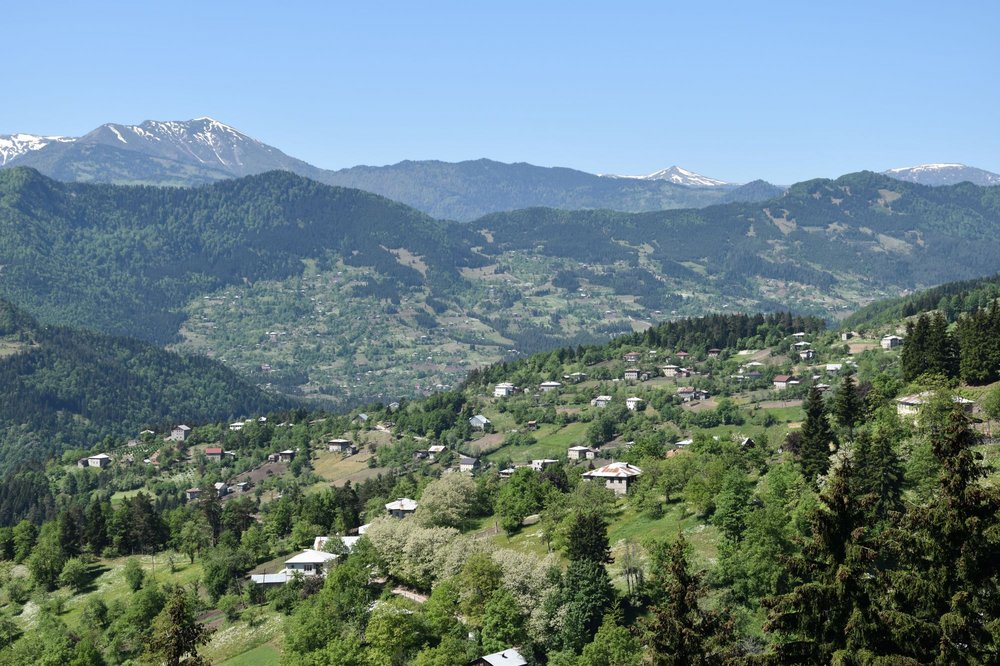
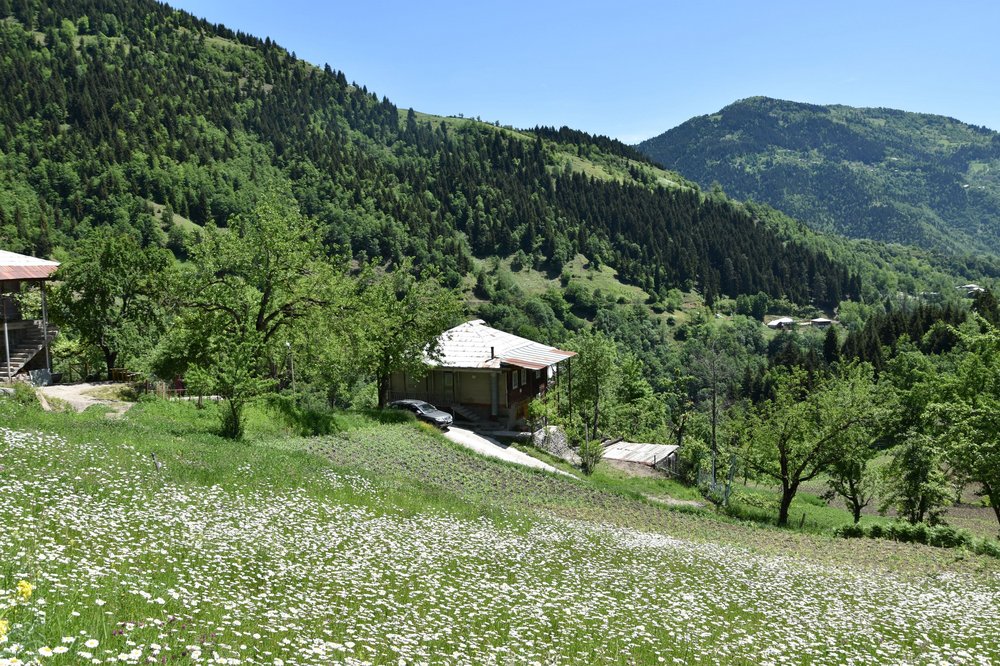
With over 4,000 mm, the Ajara region in the southwest of Georgia has the highest precipitation in the Southeastern Europe and, according to scientific forecasts, the precipitation will further increase. Due to anthropogenic climate change, an increase of intensity and frequency of storm events is already experienced. Furthermore, climate change leads to longer droughts during summer, making small scale farmers increasingly dependent on irrigation schemes. Already during recent years, environmental disasters, mainly landslides, have made entire villages uninhabitable and forced people to leave the area and become “eco-refugees” that depend on state handouts and social security programs. The current water infrastructure has turned out to be unsustainable and increases the risks of further landslides and soil erosion.

Design of climate resilient water supply and sanitation systems

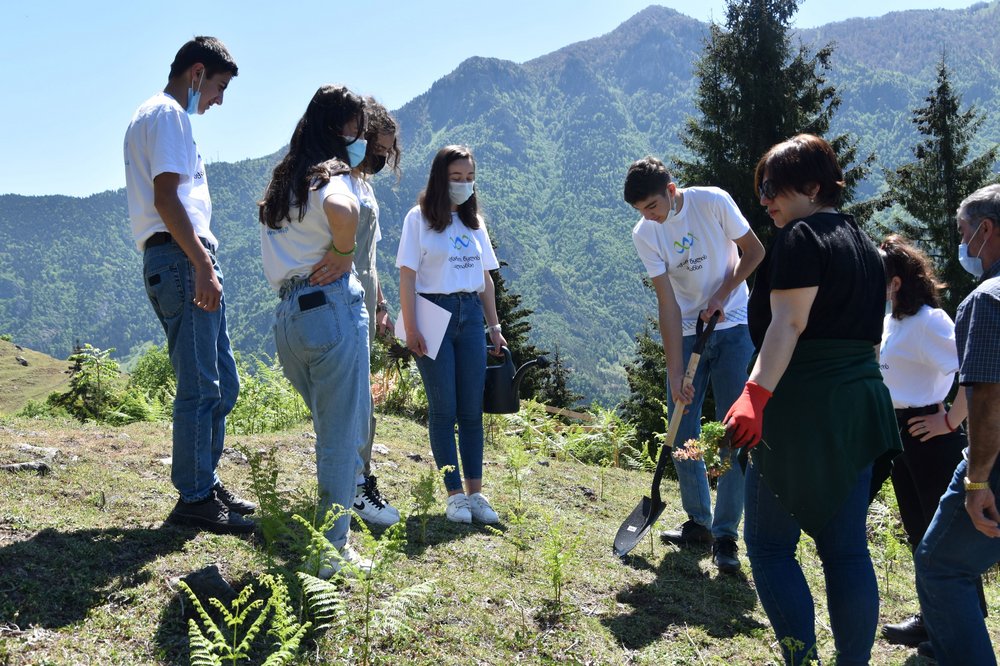
On behalf of the Georgian government, as well as local governments and funding from Germany (KfW) and the EU, MACS together with GITEC is designing new climate resilient rural water supply and sanitation systems. The new systems are designed to increase resilience and water security in the face of climate change while minimizing also negative environmental impacts. This is achieved for instance by using more reliable water sources, avoidance of water over-abstraction and safeguarding minimal environmental river flows while also considering the changing water availability and demands. Moreover, erosion control, soil conservation and protection of endangered species through for example forestation activities are an integral part of the project. The introduction of septic tanks is a paradigm shift, as up to now all wastewaters have been either infiltrated into the soil or disposed in rivers where they cause contamination and related hygiene and health risks.

Climate resilient construction works

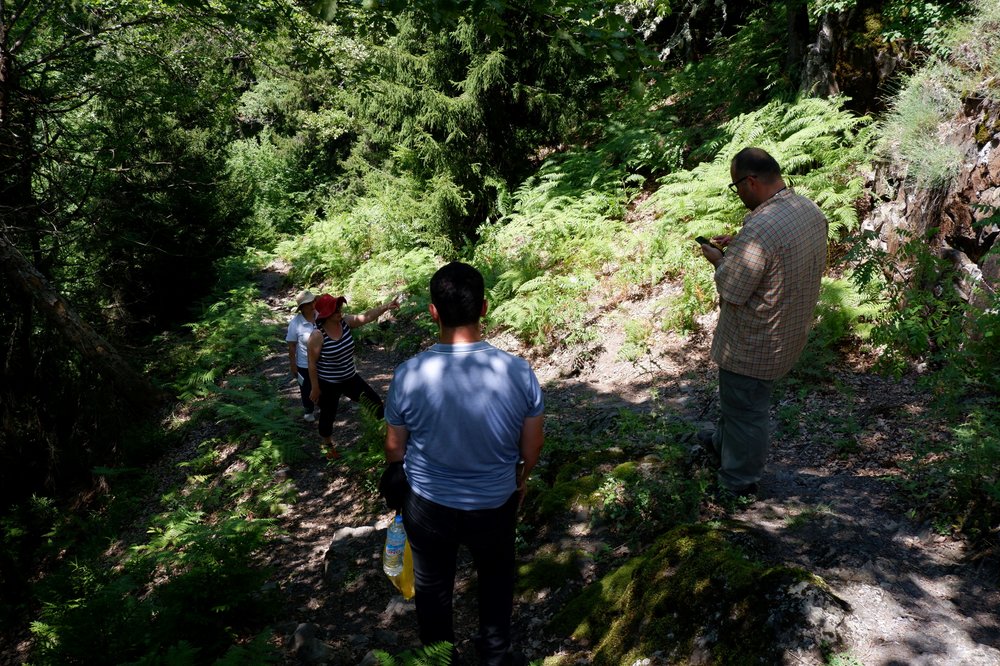
Given the vulnerable local environment, construction companies need to apply adequate technologies and work methods that minimize the environmental impact and risks. This includes that no roads will be constructed, and trenching processes must avoid heavy machinery as this might lead to an increase of the landslide risks. Manual trenching, transport of materials by ropeway shall be considered. It goes without saying that any environmental damage (e.g. tree cutting, etc.) that cannot be avoided has to be compensated.

Sustainable O&M

An operation and maintenance system based on self-sufficiency and cost recovery will be implemented ensuring high service quality, reduction of water losses and collection and adequate treatment of septic tank content while reducing pressure and protecting water sources. A water quality monitoring system measures the capacity of all rivers and springs in rural Ajara to assess the impact of climate change thus enhancing the resilience of rural water supply in the region.

MACS is assisting the Ajara Water Alliance in the implementation of the Ajara Rural Water Supply and Wastewater Program. All steps of the program implementation are based on active participation of the inhabitants of the program regions. This regards, planning, implementation and future sustainable operation and maintenance of the climate resilient  water supply and wastewater systems.

Related Content

BRAZIL: Case Study for pressure-dependent leakage modeling and AI-assisted control in a rural water supply network

Pressure-dependent leakage modeling and AI-assisted control in a rural water supply network in Varzea da Cobra (Ceará, Brazil)

In the context of MACS activities in developing Water Smart Network Optimization and our activities in the cooperation with our local daughter company MACS do Brasil  and SISAR and the implementation of waterSmart in Brazil, our key Non-Revenue Water Expert Dr. Josep Pons and our Climate and Machine learning Expert Seyed Nima Hosseini  have developed a second case study about water losses due to leakages in small rural water supply systems, based on the Data of SISAR Varzea da Cobra.

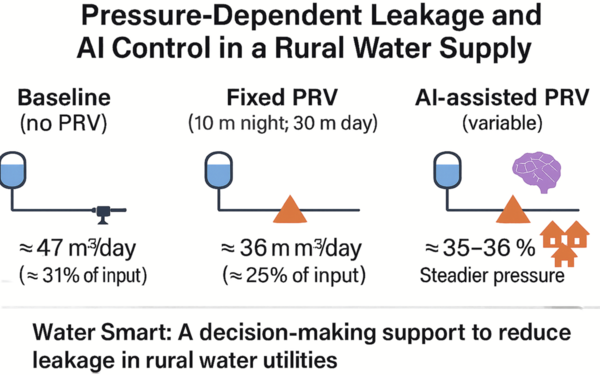
The study evaluates pressure management strategies in the Várzea da Cobra distribution network, located in northeastern Brazil, through a simulation-based approach. A hydraulic model incorporating pressure-dependent leakage was calibrated with Minimum Night Flow data to estimate real losses under local operating conditions. Three scenarios were analyzed: no pressure control, installation of a pressure reducing valve (PRV) with a fixed outlet setting and day/night modulation, and a dynamic PRV operated by an AI-assisted controller.

Results showed that the fixed PRV strategy reduced daily leakage by approximately 24% without compromising service levels. The AI-assisted PRV achieved comparable leakage reduction while maintaining more stable pressures throughout the day. To facilitate practical application, a Python-based decision-support tool was developed, enabling non-specialist operators to simulate and evaluate control strategies with minimal input data and Excel-based outputs. The findings demonstrate that effective pressure management, whether through simple mechanical solutions or advanced optimization, can significantly reduce leakage and improve reliability in rural water systems. This approach offers a scalable, low-cost pathway for enhancing water supply sustainability in developing regions.

Link to the full scientific Article: Pressure-dependent leakage modeling and AI-assisted control in a rural water supply network: Varzea da Cobra (Ceará, Brazil)

Get in touch

Matthias Hitzel

Managing Director

+49 69 943188-13

matthias.hitzel@macsonline.de