BY FILIPI LIBÓRIO

Paving the way for a Climate Resilient Water Utility in Indonesia

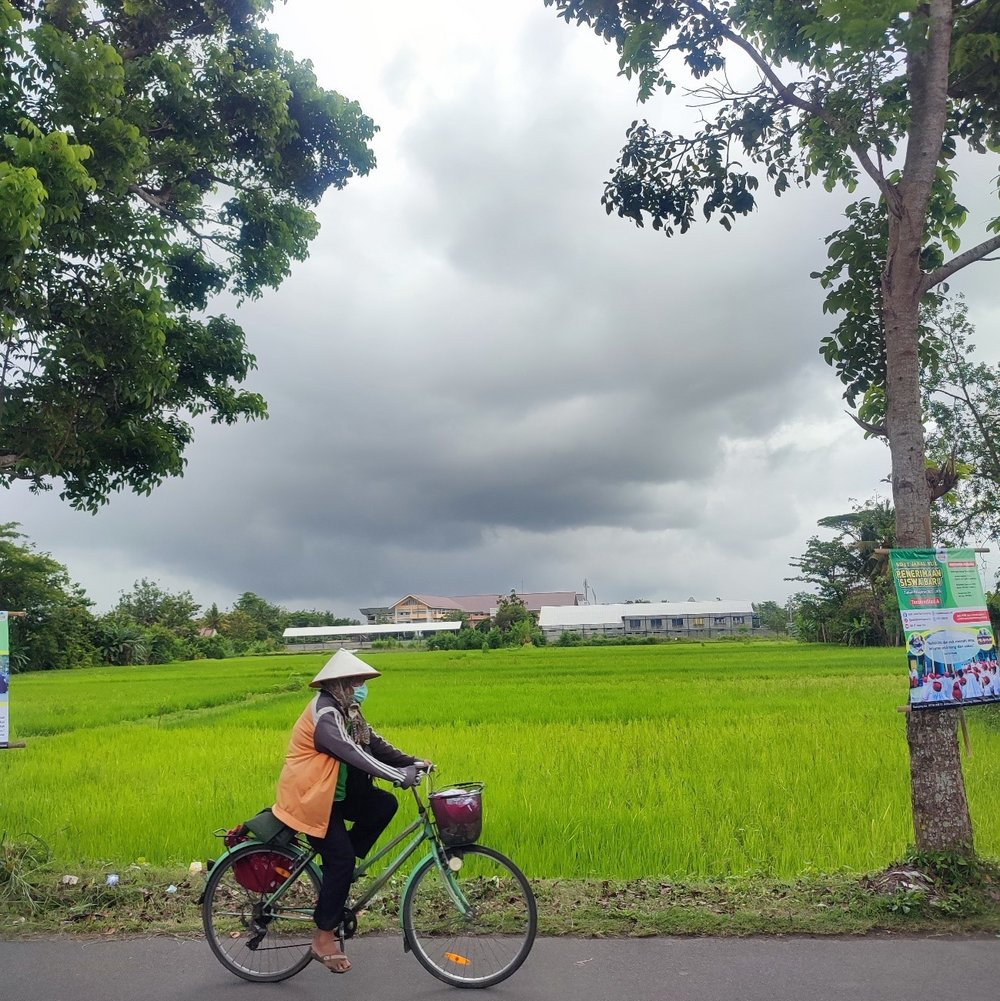
Indonesia is a nation of immense proportions, with over 17,000 islands and a staggering population that exceeds 270 million inhabitants, making it the fourth most populous country in the world. Yogyakarta province, in Java Island, holds particular significance with its rich cultural heritage and a population of 3.7 million inhabitants.

However, alongside the notable political and economic changes in the country in the last decades, Indonesia faces pressing challenges in climate change and sanitation that demand urgent attention. As an example, Java Island – the most populous island in the world – is home to over 140 million people and is highly vulnerable to the impacts of climate change. Rising sea levels pose a significant threat to coastal areas, including densely populated cities that face the risk of increased flooding, coastal erosion, and saltwater intrusion, which can contaminate freshwater sources and compromise the availability of clean drinking water.

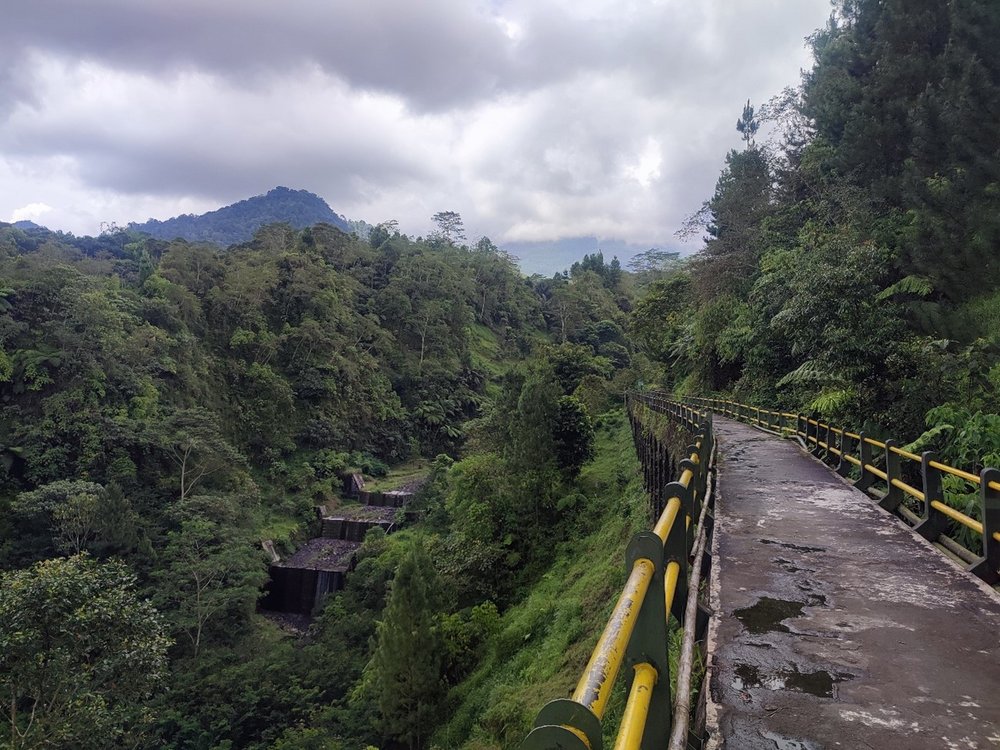
Moreover, the country is characterized by a high concentration of active volcanoes, including Mount Merapi, in Yogyakarta Province. Volcanic activities not only pose immediate risks, but also contribute to long-term environmental challenges, as volcanic eruptions can affect air quality and potentially disrupting agriculture and water sources. The impacts of climate change and unsustainable practices also extend to its vital agricultural sector, which supports the livelihoods of millions. Changing rainfall patterns, increased temperatures, and more frequent droughts pose risks to crop production, affecting food security and livelihoods.

Addressing these multifaceted challenges requires a comprehensive approach that integrates climate change mitigation and adaptation strategies. By prioritizing climate resilience and mitigation, Indonesia can pave the way for a more sustainable and secure future, ensuring the well-being and prosperity of its people in the face of ongoing environmental challenges.


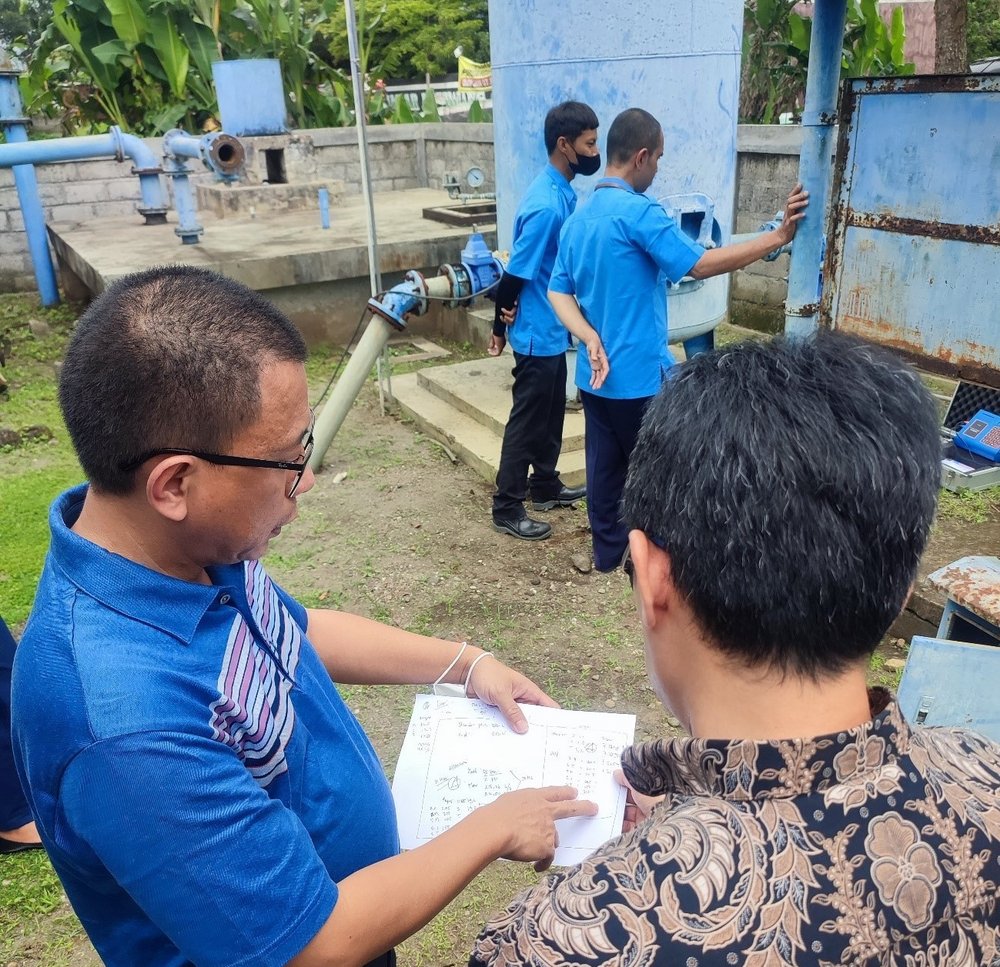
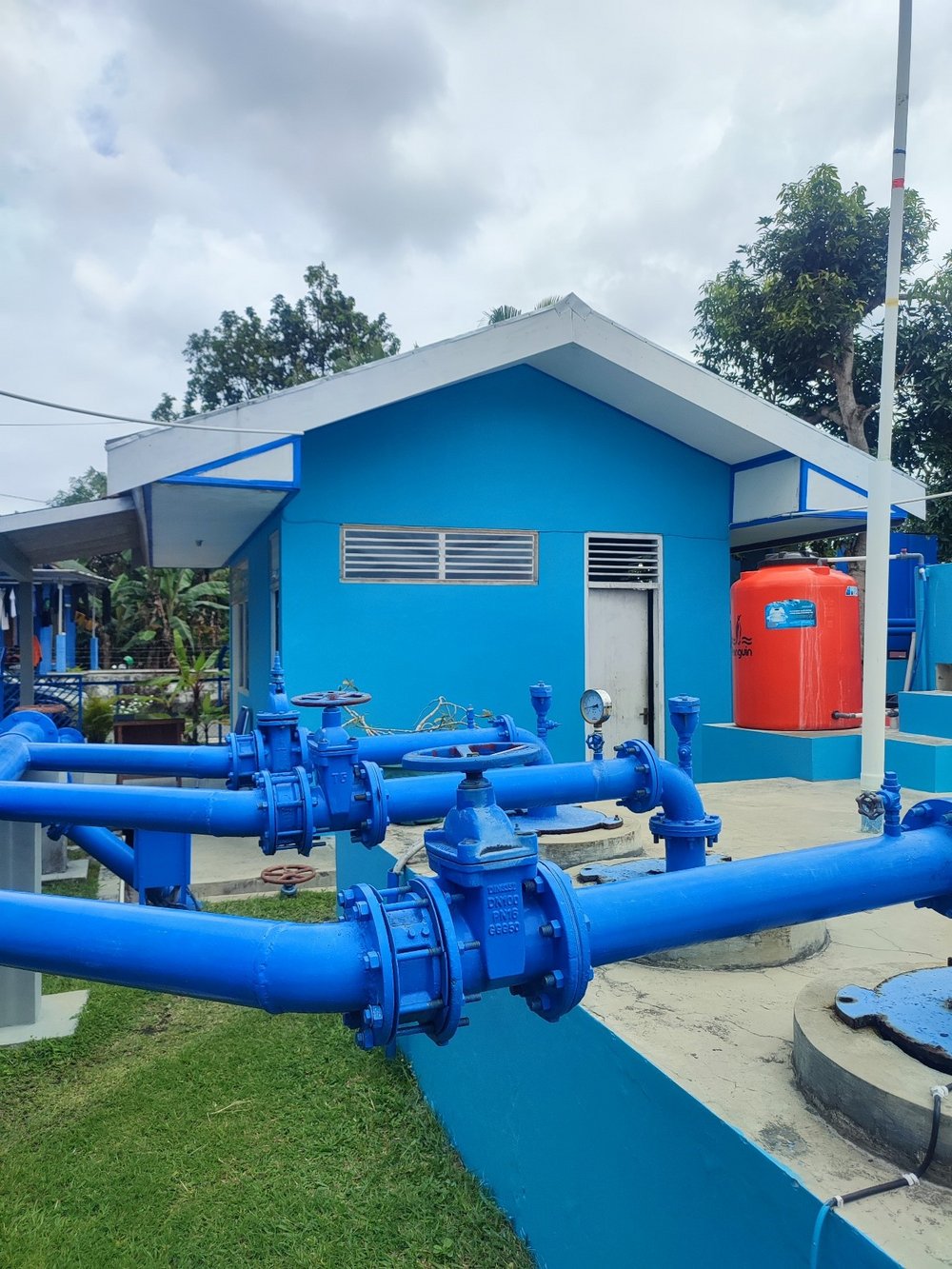
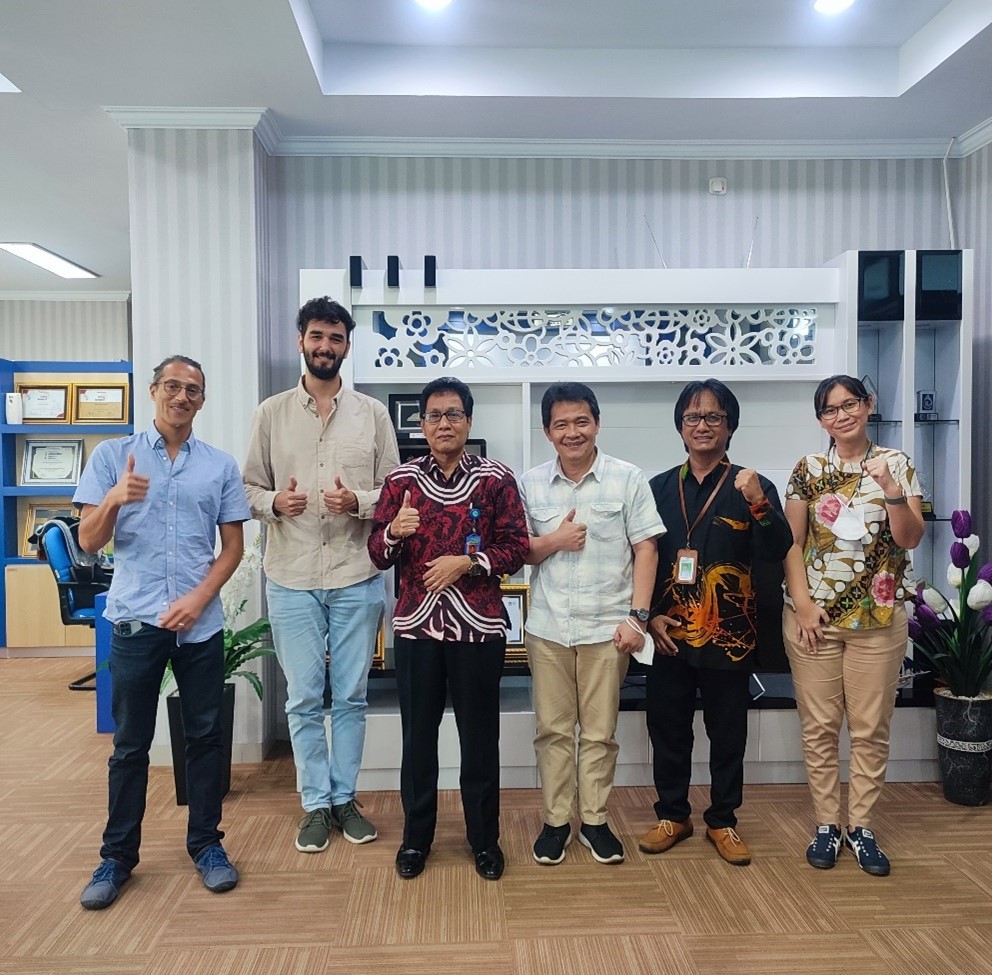
In the framework of a Water.org assignment, we first did a utility selection process to define on which selected utility we would work with. Then, we assessed the climate resilience of this selected urban utility. Further, by conducting onsite mission and measurements, we gained a broad understanding of the utility's vulnerabilities and identified key opportunities for improvement. This in-depth exploration enabled us to design effective strategies that enhance the utility's resilience, safeguard its services, and protect the communities it serves. Finally, through close collaboration with Water.org and the selected utility, we conducted a comprehensive assessment covering both climate mitigation and adaptation strategies, drawing on our expertise to deliver tangible results.

To address these issues, Water.org, an NGO that aims to provide access to safe water and sanitation to communities around the world, sponsored this innovative project to assess the climate resilience and mitigation capabilities of an urban water utility in Indonesia. This project is crucial in paving the way for a sustainable and resilient future, and MACS took its importance very seriously when developing the project. Our main objective was to enhance the resilience of the selected urban water system. By evaluating the climate resilience and mitigation capabilities of the selected utility, we could identify areas of improvement and propose targeted interventions. This comprehensive approach allowed us to develop strategies that enhance the utility's ability to withstand climate-related challenges.

Addressing climate change and sanitation requires a holistic approach encompassing various sectors such as energy, infrastructure, and public policies planning. Collaborative partnerships with governmental bodies, non-profit organizations, and local communities are crucial in driving systemic change and achieving sustainable outcomes. By embracing this approach, our project serves as a steppingstone towards mitigating climate change impacts and ensuring the well-being and prosperity of Indonesia's people in the face of environmental challenges.

The project focused on conducting an extensive climate assessment of an urban water utility, encompassing both climate change mitigation and resilience strategies. The primary objective was to identify sources of emissions and develop sustainable practices to combat climate change while equipping the utility with the necessary tools to adapt to its impacts. Through our efforts, we aimed to enhance the utility's infrastructure and services, preparing them for future climate-related challenges on how to deal with water scarcity and droughts, landslides and also non-climate related challenges such as pollution by wastewater, increasing water demand and volcanic eruptions and tectonic activities.

Our methodology was designed to ensure a comprehensive and meticulous approach to the assessment process. To achieve our goals, we developed robust selection criteria to identify the most suitable urban water utility for assessment, considering the unique contextual factors of Indonesia. To ensure the assessment aligns with the local landscape, we adapted sector frameworks and tools, tailoring them to the specific needs and challenges faced by the selected utility. Through initial assessments of climate adaptation and mitigation, we laid the groundwork for deeper analysis: hydraulic modelling, groundwater availability, physical climate risk assessment etc.

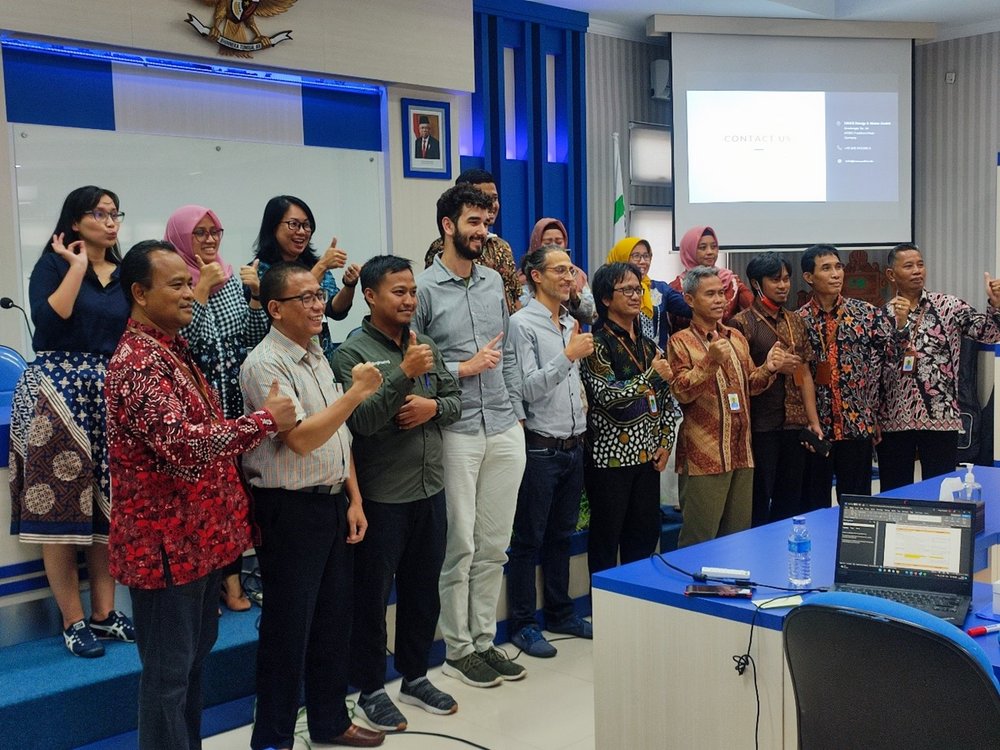
Documenting the outcomes of our assessment and providing actionable recommendations was a key milestone in the project, as we aimed to equip the utility with a roadmap for future improvement. Furthermore, we facilitated the dissemination of our findings through industry webinars, fostering knowledge sharing and promoting best practices in climate resilience and mitigation. By enhancing the Client's internal capacity to conduct similar assessments, we seek to catalyze a wider movement towards climate-conscious decision-making within the organization and the sector at large.

Through our transformative project, we have successfully unlocked the potential for climate adaptation and mitigation in Indonesia's urban water utilities. By reducing greenhouse gas emissions and adapting to future climate change challenges, the utility experienced positive impacts. It became more resilient, secure, and sustainable, ensuring continued provision of vital water services to the community. Our efforts served as a model for other organizations, inspiring them to prioritize climate resilience and mitigation. The conclusion of this project marks a significant step forward in creating a brighter and more sustainable future for all.

Related Content

PERU: Successful Implementation of Social Activities in Alto Trujillo

Completion of activities of the Social Component for Perdidas II

As part of the Water Loss Reduction Program (PRPA II) at SEDALIB, the MACS Social Team has successfully completed the activities related to the social component of the project. The purpose of this component was to raise awareness among the population about water use and its value, the protection of water resources, payment habits, household water loss management, and the importance of installing water meters. Additionally, it aimed to integrate WASH into the school curriculum and improve sanitary infrastructure in schools.

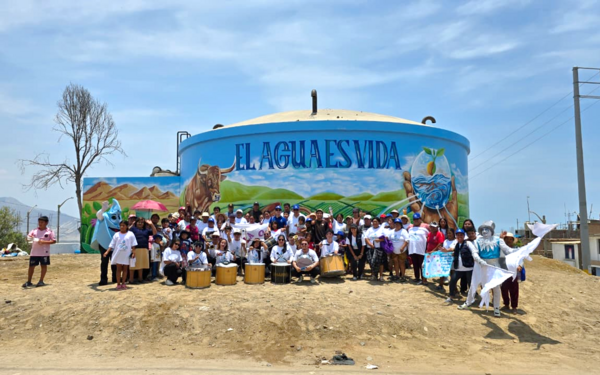
In total, more than 3,000 children from eight schools, as well as 39 social organizations, and residents from eight neighborhoods of Alto Trujillo participated in the programmed activities. The implementation of the social program faced several challenges; however, the social team identified key local partners who supported the successful rollout of the campaigns, achieving 70% coverage among the adult population and 80% among students.

The goal of the messages, discussions, and experiences generated during the implementation of these social activities was to contribute to better water resource management in Alto Trujillo and strengthen the relationship between SEDALIB and the local population.

Get in touch

Matthias Hitzel

Managing Director

+49 69 943188-13

matthias.hitzel@macsonline.de