By Kassyo Rodrigues

A simple daily routine and a
powerful impact on people’s lives

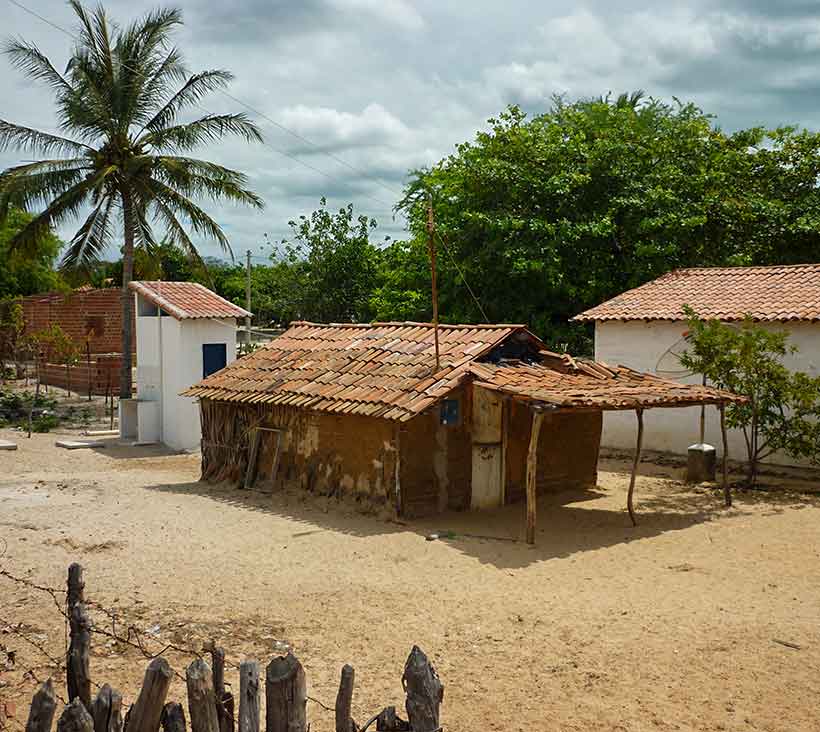
It’s 5 am in the village of Sapó, in the State of Ceará, Brazil. Mrs. Raimunda Silva, 66 years old, is making coffee after having taken a shower in the only bathroom in her house. After serving a modest breakfast for her husband and grandchildren, she will do the laundry and prepare today’s lunch. She’s happy since her three sons are back from São Paulo; her sons realized that life in Sapó had gotten better with water supply, wastewater treatment, electricity, and the new job opportunities that came with this better local infrastructure and decided to return to their home place.

This simple daily routine is really a privilege for millions of families in the rural poor areas of Brazil. How was life before the water system came to Mrs. Silva village? Mrs. Silva still remembers the difficulties and uncertainties in those days before the implementation of the water system supply, and the fears of the families in her village: “Who is going to help us with the water system? We cannot afford to lose this important achievement. If we lose this opportunity maybe the Government will never invest again in this poor, remote area of the country. Are we able to afford the water tariffs?” She still retains in her memory those questions that were raised over the project implementation in the year 2001.

In the semi-arid region of Brazil, hundreds of thousands of families face every year the same question: Are we going to have enough water this year? The semi-arid region of the biggest country in South America and the 8th economy in the world has an enormous challenge to overcome regarding managing properly the water sources and provide good, reliable, and sustainable water supply to the families.

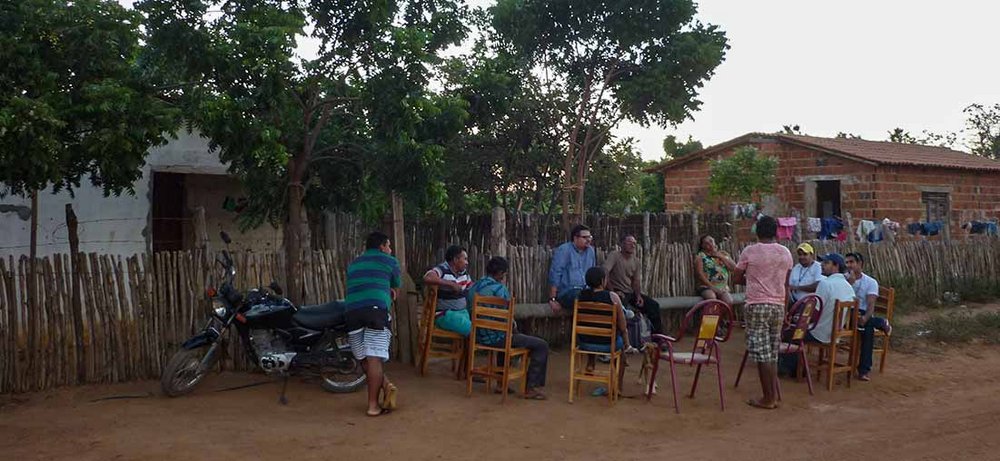
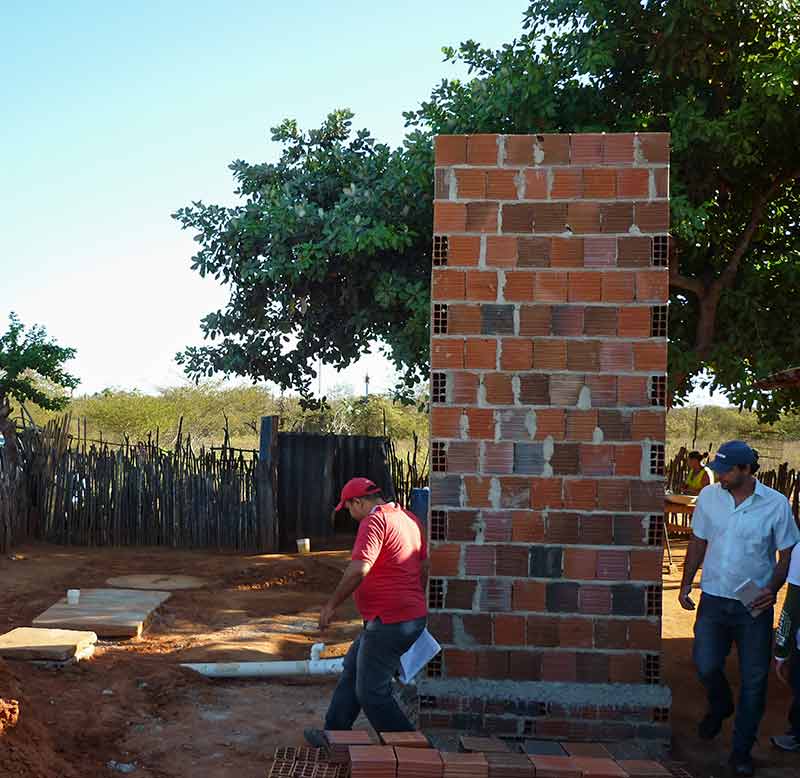
Mrs. Silva is the president of the Users Group Association (UGA) in her village, which is responsible to operate the water system and the wastewater treatment plant set up in 2001 by one of the Brazilian governmental projects focusing on rural development. The Users Group Association was created under the project implementation and now - besides operating the water system - manages two other programs focusing on generating income in the region. Mrs. Silva is also the village representative in the Federation of Water Users Group (SISAR) Board. Like the village of Sapó, all villages under the SISAR umbrella, have a say in the SISAR General Assembly and can be a member of the Board once the other villages support his/her application.

SISAR is a Federation of Associations formed by all the villages with water supply and wastewater system in the region and is responsible for the continuous maintenance in all its affiliated villages. Through the water tariffs paid regularly and on time by all the families, SISAR is also capable of providing management support to the villages, trainings, water quality control, and social support to enhance the Local User’s Group in the communities.

Mrs. Silva is proud of the water system set up in her village twenty years ago and understands the importance of having backup support provided by the Federation (SISAR) to keep the system running for the next 20 years. Mrs. Silva’s family is one of 250,000 families that operate water systems in Brazil under the support of SISAR. The SISAR Model has been helping Brazil to properly manage the infrastructure installed supplying 24/7 quality water to the poor families in the rural semi-arid region of Brazil. Mrs. Silva simple daily routine has a huge impact on her family and helped to keep her chores less heavy. This allows her to be more focused on her grandchildren and husband.

MACS planned and developed the SISAR Model and is proud of being part of Mrs. Silva’s life, as well as all the other Brazilian families who were benefited from this Model.

Related Content

SERBIA: Balkan Green Summit Discussions on Sustainable Development and Green Financing

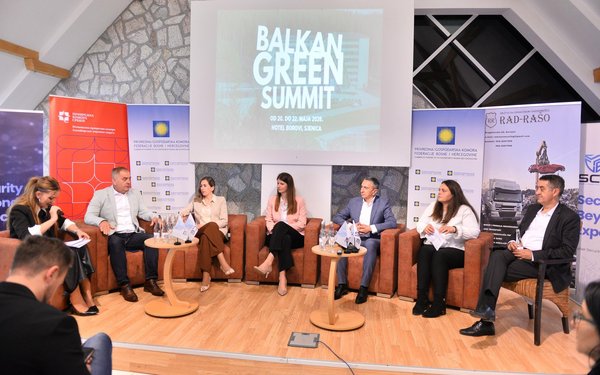
MACS Participates in Balkan Green Summit Discussions on Sustainable Development and Green Financing

Last week, MACS attended the Balkan Green Summit organised by the Chamber of Commerce of the Federation of Bosnia and Herzegovina, which brought together representatives of governments, ministries, chambers of commerce, public institutions, utilities, local authorities, and private-sector companies from across the region.

The three-day summit focused on the implementation of the EU Green Agenda and sustainable development in the Western Balkans, covering topics such as Horizon Europe and IPA financing opportunities, CBAM, battery energy storage systems (BESS), prosumers, and the circular economy.

MACS participated in Panel V, “Sustainable Waste Management – Challenges of the Public and Private Sector”, held on the third day of the summit. During the panel, we presented the KfW Green Economy in Serbia programme which, in addition to financing energy efficiency and renewable energy projects, also provides financing opportunities for sustainable measures related to resource efficiency.

The discussion highlighted that both Bosnia and Herzegovina and Serbia continue to face significant challenges in the waste management sector, creating strong demand for investments in essential infrastructure such as transfer stations, recycling yards, and composting facilities.

The panel also provided an opportunity to exchange practical experiences between public utilities, waste management operators, and industry stakeholders, with discussions focusing on current operational challenges, project implementation, and future investment priorities across the sector.

A key takeaway from the summit was the growing regional focus on financing sustainable water and waste management, alongside circular economy initiatives, in addition to ongoing investments in energy efficiency and renewable energy. The discussions reflected a broader shift of the Green Agenda towards a wider range of sustainable development measures across the region.
Get in Touch

Dr. Thomas Schiller

Managing Director

+49 69 943188-10

thomas.schiller@macsonline.de