By Kassyo Rodrigues

A simple daily routine and a
powerful impact on people’s lives

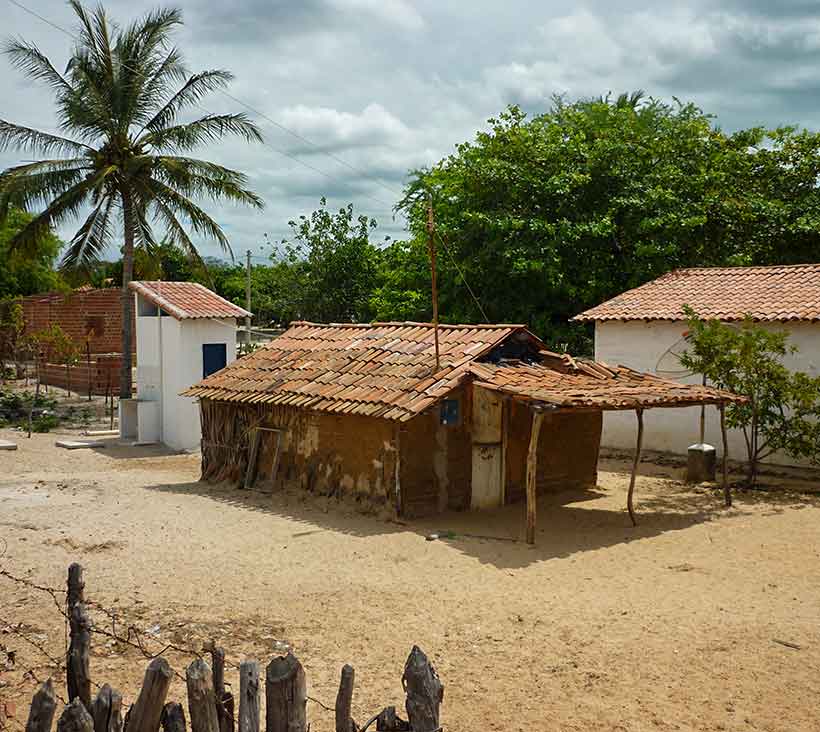
It’s 5 am in the village of Sapó, in the State of Ceará, Brazil. Mrs. Raimunda Silva, 66 years old, is making coffee after having taken a shower in the only bathroom in her house. After serving a modest breakfast for her husband and grandchildren, she will do the laundry and prepare today’s lunch. She’s happy since her three sons are back from São Paulo; her sons realized that life in Sapó had gotten better with water supply, wastewater treatment, electricity, and the new job opportunities that came with this better local infrastructure and decided to return to their home place.

This simple daily routine is really a privilege for millions of families in the rural poor areas of Brazil. How was life before the water system came to Mrs. Silva village? Mrs. Silva still remembers the difficulties and uncertainties in those days before the implementation of the water system supply, and the fears of the families in her village: “Who is going to help us with the water system? We cannot afford to lose this important achievement. If we lose this opportunity maybe the Government will never invest again in this poor, remote area of the country. Are we able to afford the water tariffs?” She still retains in her memory those questions that were raised over the project implementation in the year 2001.

In the semi-arid region of Brazil, hundreds of thousands of families face every year the same question: Are we going to have enough water this year? The semi-arid region of the biggest country in South America and the 8th economy in the world has an enormous challenge to overcome regarding managing properly the water sources and provide good, reliable, and sustainable water supply to the families.

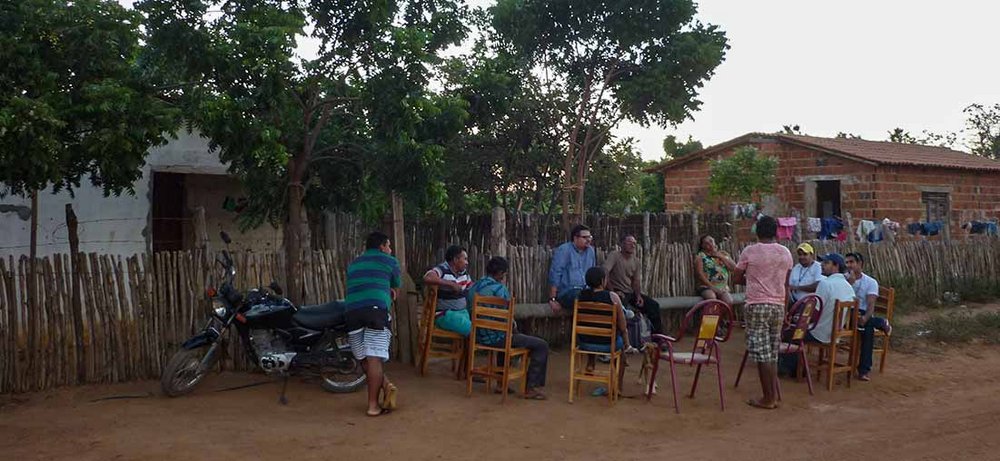
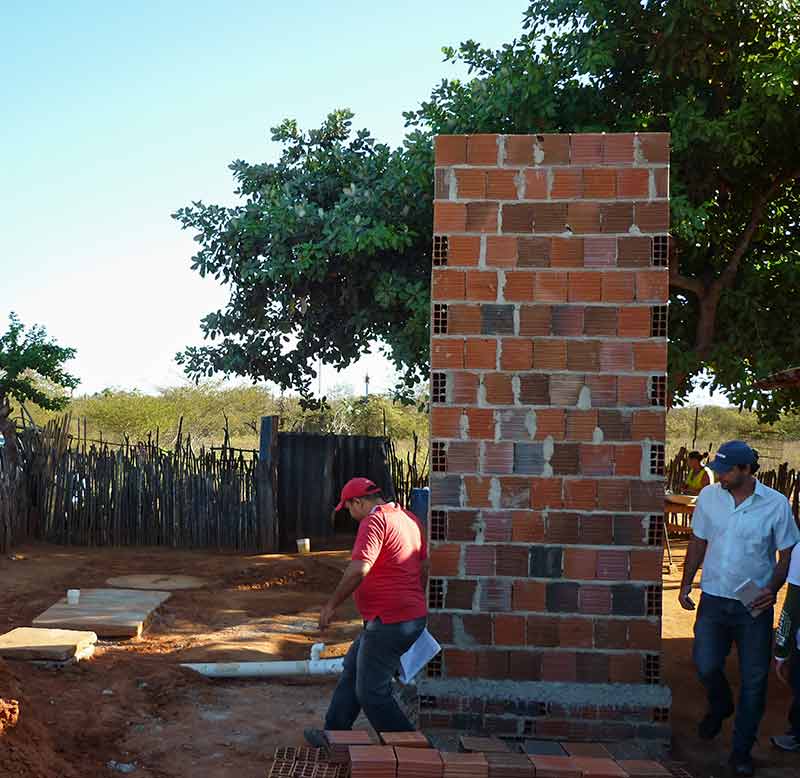
Mrs. Silva is the president of the Users Group Association (UGA) in her village, which is responsible to operate the water system and the wastewater treatment plant set up in 2001 by one of the Brazilian governmental projects focusing on rural development. The Users Group Association was created under the project implementation and now - besides operating the water system - manages two other programs focusing on generating income in the region. Mrs. Silva is also the village representative in the Federation of Water Users Group (SISAR) Board. Like the village of Sapó, all villages under the SISAR umbrella, have a say in the SISAR General Assembly and can be a member of the Board once the other villages support his/her application.

SISAR is a Federation of Associations formed by all the villages with water supply and wastewater system in the region and is responsible for the continuous maintenance in all its affiliated villages. Through the water tariffs paid regularly and on time by all the families, SISAR is also capable of providing management support to the villages, trainings, water quality control, and social support to enhance the Local User’s Group in the communities.

Mrs. Silva is proud of the water system set up in her village twenty years ago and understands the importance of having backup support provided by the Federation (SISAR) to keep the system running for the next 20 years. Mrs. Silva’s family is one of 250,000 families that operate water systems in Brazil under the support of SISAR. The SISAR Model has been helping Brazil to properly manage the infrastructure installed supplying 24/7 quality water to the poor families in the rural semi-arid region of Brazil. Mrs. Silva simple daily routine has a huge impact on her family and helped to keep her chores less heavy. This allows her to be more focused on her grandchildren and husband.

MACS planned and developed the SISAR Model and is proud of being part of Mrs. Silva’s life, as well as all the other Brazilian families who were benefited from this Model.

Related Content

WORLD: ECB Action underscors Urgency of Climate Risk Management

ECB imposes penalties on IFIs based on failed compliance with requirements related to climate-related and environmental risks

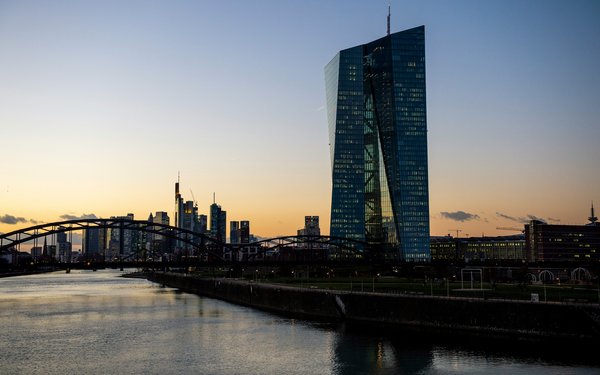
The European Central Bank has imposed €7.55 million in penalty payments on Crédit Agricole S.A. after finding the bank failed to comply with a supervisory decision requiring a thorough assessment of its climate-related and environmental risks.

The ECB’s February 2024 decision required the bank to conduct a materiality assessment of its exposures, but Crédit Agricole did not meet the requirement for 75 full days in 2024, triggering daily fines. The regulator stressed that the action forms part of a broader push to hold euro-area banks accountable for climate risk management, marking a shift from supervisory guidance to binding measures with financial consequences.

As this represents the ECB’s second enforcement case in this area, it further confirms that climate change mitigation and adaptation are becoming increasingly integral not only to the real economy but, even more so, to the financial sector. Climate change introduces both transition and physical risks that must be properly identified, measured, and managed, while also creating new opportunities for forward-looking organizations.

In this context, MACS supports its clients with a range of dedicated climate-related services, including the determination of key KPIs for their own portfolios and investment products—covering Scope 3 emissions, physical climate risk assessments, and EU Taxonomy compliance.

The original article can be found here: ECB imposes periodic penalty payments on Crédit Agricole for failing to sufficiently identify climate risks.
Get in Touch

Dr. Thomas Schiller

Managing Director

+49 69 943188-10

thomas.schiller@macsonline.de