By Matthias Hitzel

Transition to secure water and
sanitation at the Black Sea

It was winter in the Caucasus region and an ice storm hit Batumi heavily. The year was 2018 and the overhead electricity lines collapsed, and the city of 250,000 inhabitants, located at the Black Sea coast in Western Georgia, was out of electricity for a full week. As the director of the local television was preparing the agenda for the next day TV news an old thought came up to her mind: For how long people will be out of water? She quickly checked her agenda and realized something strange: nobody mentioned problems with the water supply system – the opposite, people mentioned to be actually impressed that the water supply was continuing! How come? As faster as the thought came up in her mind it faded away. It was an old problem from the difficult not so long ago past when the deteriorated Soviet water supply and wastewater system in Batumi, being fully abandoned, did not function.
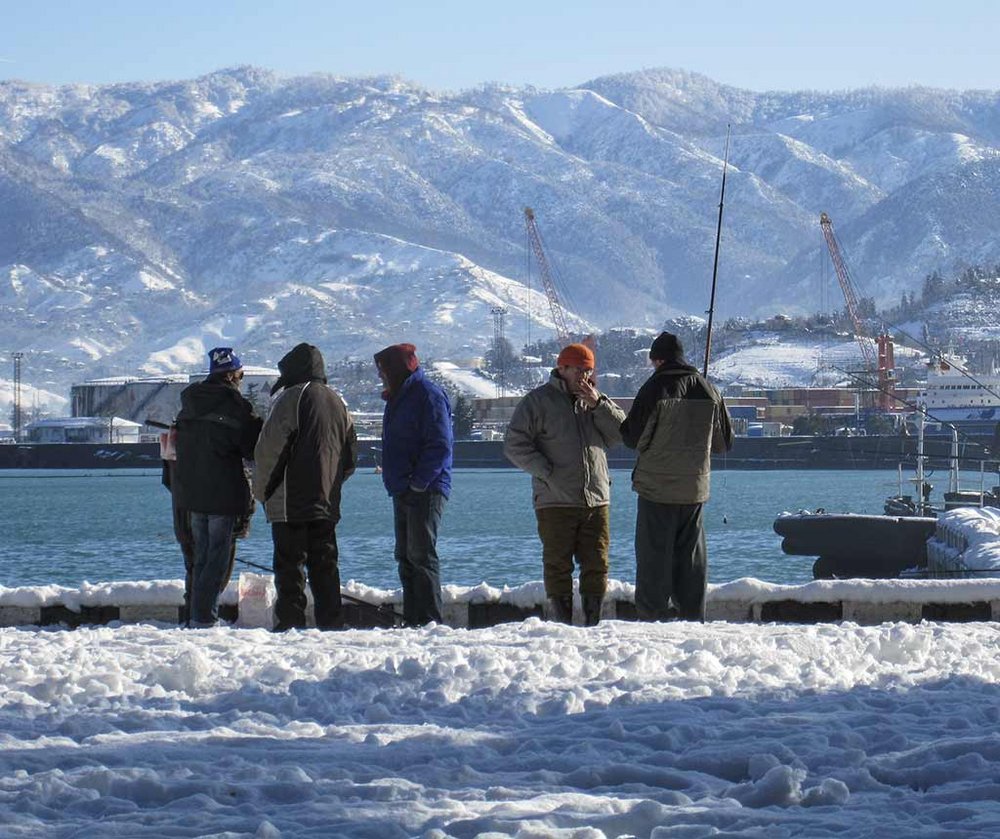
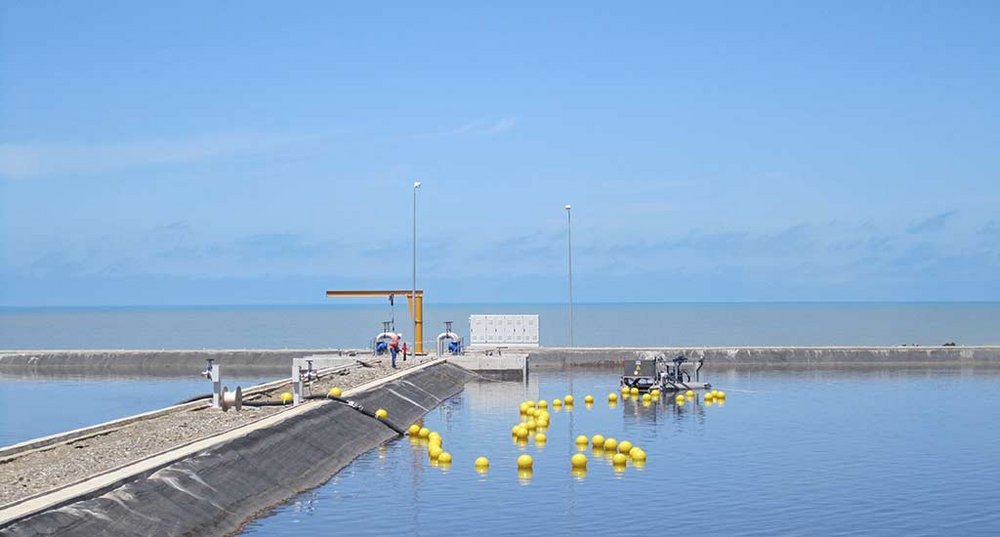
Since 2010, everybody in Batumi is supplied with uninterrupted, reliable and high-quality water. The non-functional wastewater treatment plant that released all wastewater untreated into the Black Sea was replaced by an award winning new and modern wastewater treatment plant that purifies the wastewater before it is released to the Black Sea, hence dramatically contributing to the Black Sea water quality and the revival of biodiversity.

The newly established municipal water utility is managing to control and reduce water losses. The MACS consultant statement “the construction of a new infrastructure is easy, compared to operate and maintain the new facilities,” was broadcasted and a new concept of sustainable managing was being introduced in the region. The qualified team of the water utility, Batumi Tskali – Batumi Water - applying modern technologies and following a very clear customer focus did a great job. More than 75% of the water that is produced reaches the citizens now and elevates Batumi on a level of France or the UK.

MACS is assisting the municipality of Batumi and the municipal utility Batumi Tskali since 2005 and alongside an over EUR 160 million investment program in the framework of the German-Georgian Financial Cooperation, through KfW Development Bank and co-financing of the European Union. Broadcast good news makes everybody proud and happy including us, at MACS.

Related Content

Project Details

Location: Mauritius
Duration:
Client: GIZ
Budget: 43,324 €
Financier: UNIDO

Info: Support the Governments of Namibia and Mauritius in the preparation of a financial proposal for each country respectively, which may sustain the transformation of the AC cooling sector towards “green cooling”.

Mauritius und Namibia: Green Cooling Africa Initiative – CTCN Response Plan

MACS was contracted to support the Governments of Namibia and Mauritius in the preparation of a financial proposal (to be presented to the GCF or other IFI’s) for each country respectively, which may sustain the transformation of the AC cooling sector towards “green cooling” (introduction of natural refrigerants and enhanced energy efficiency). Based on interviews with local stakeholder and data research, a concept paper was drafted for each country, discussing the preconditions of major IFIs for successful project applications (from a financing perspective) and analyzing how far these are already accomplished, as well as indicating still existing gaps and recommending how these could be overcome.

Back

Dr. Thomas Schiller

Managing Director

+49 69 943188-10

thomas.schiller@macsonline.de

Dr. Thomas Schiller

Managing Director

+49 69 943188-10

thomas.schiller@macsonline.de

Management, Strategic Development

Based on his career as financial consultant and development banker, Thomas thought consulting and management services in the utility sectors should integrate economists and engineers as well as social scientists in a core team of permanent international staff for sustainable solutions. Thus MACS was born.

His experience in micro- and macro-economic policy analysis as well as detailed sector assessments in the fields of Finance, Water and Energy makes Thomas an expert in developing comprehensive finance strategies for network utilities including building the institutional and policy framework around it.

As one of the Partners and Managing Directors of MACS he is responsible for strategic development and controlling.