BY LIA DAVITADZE

The power of School Eco-clubs: Seeds of Change in the Highlands of Ajara, Georgia

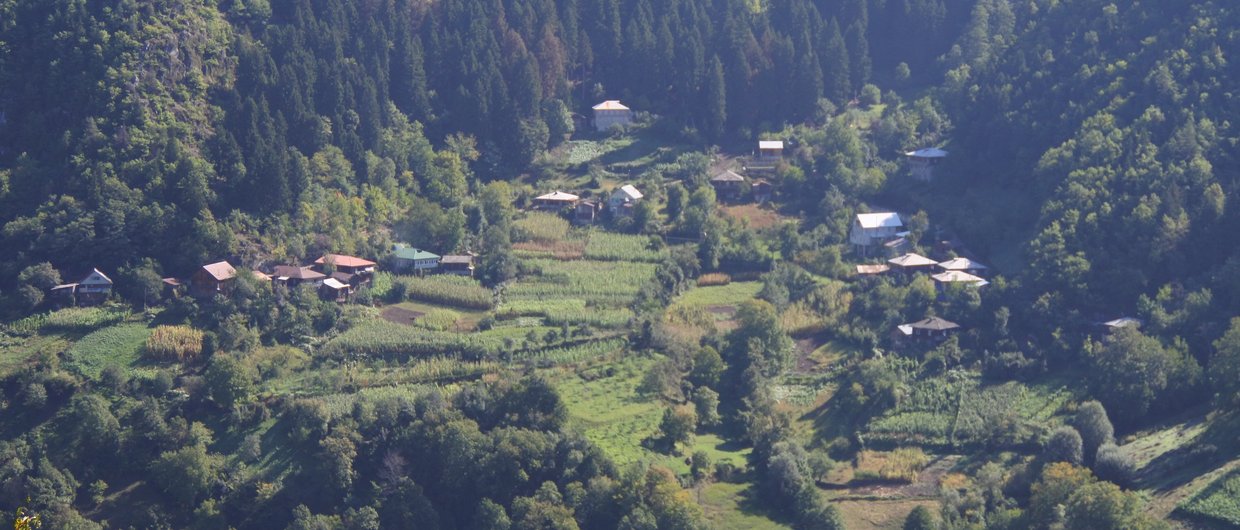
High in the mountains of Ajara, where access to resources is limited, water and wastewater infrastructure is almost non-existent and environmental challenges are intensified by climate conditions, a quiet but powerful transformation is taking place alongside a novel Infrastructure Investment Program – The Ajara Rural Water Supply and Wastewater Program, assisted by the European Union and the German Government and being implemented in 39 mountainous villages and 5 semi-urban areas of Ajara. At the beginning of the Program, already during the village selection stage it was decided to establish workshop with students and schools, so called eco-clubs, through which the students of the affected villages would become environmental leaders, community educators, and active agents of sustainable change.

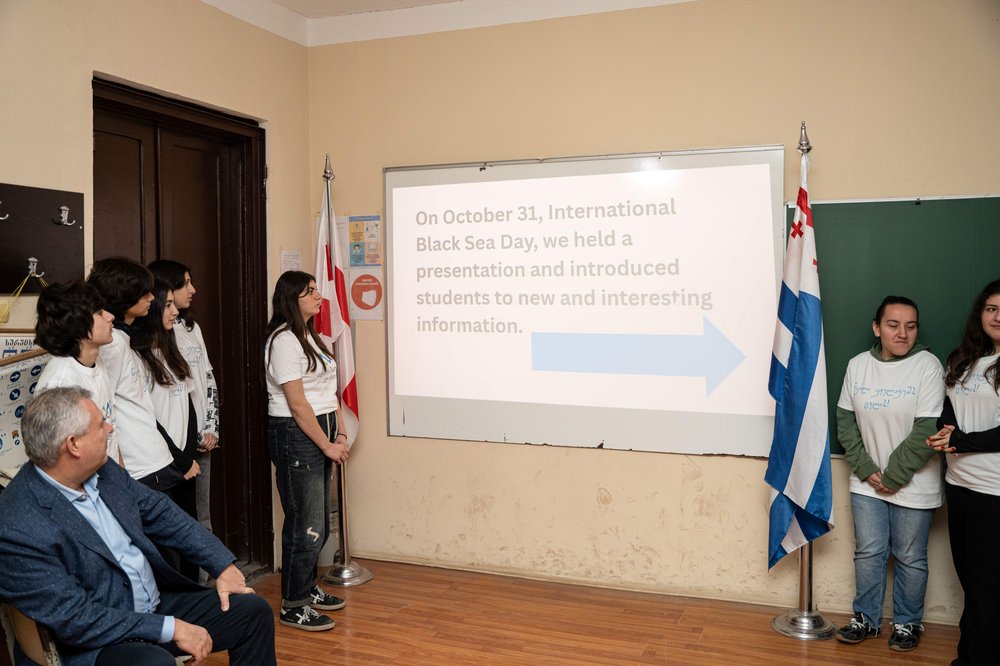
Eco-clubs have now been active for five years already. Across the highland villages, they have brought together students, teachers, academics from Batumi Shota Rustaveli State Universities and local communities around one joint mission: to protect nature, to bring up environmentally friendly, socially responsible citizen who will value resources and take care of its sustainable usage building a greener future. What began as small student groups has been growing into a strong youth-driven movement, reaching schools that previously had little access to environmental education or practical sustainability initiatives.

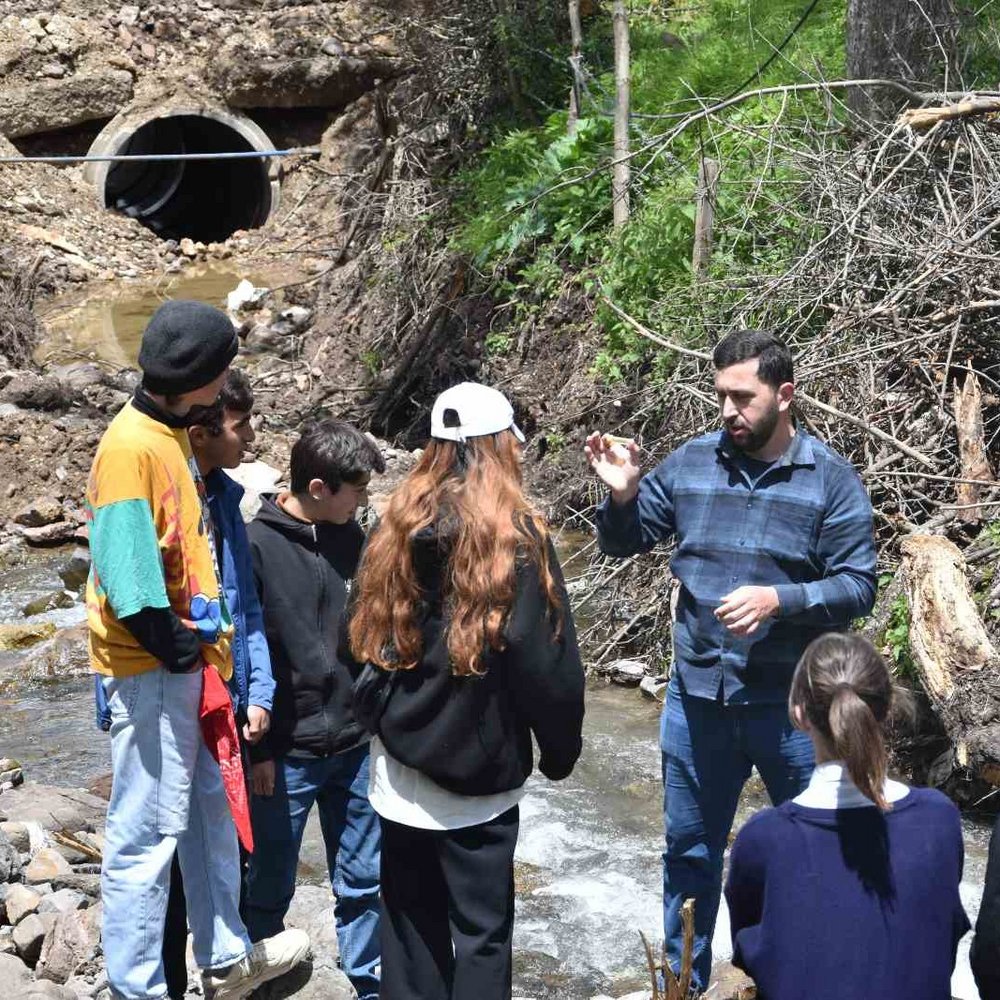
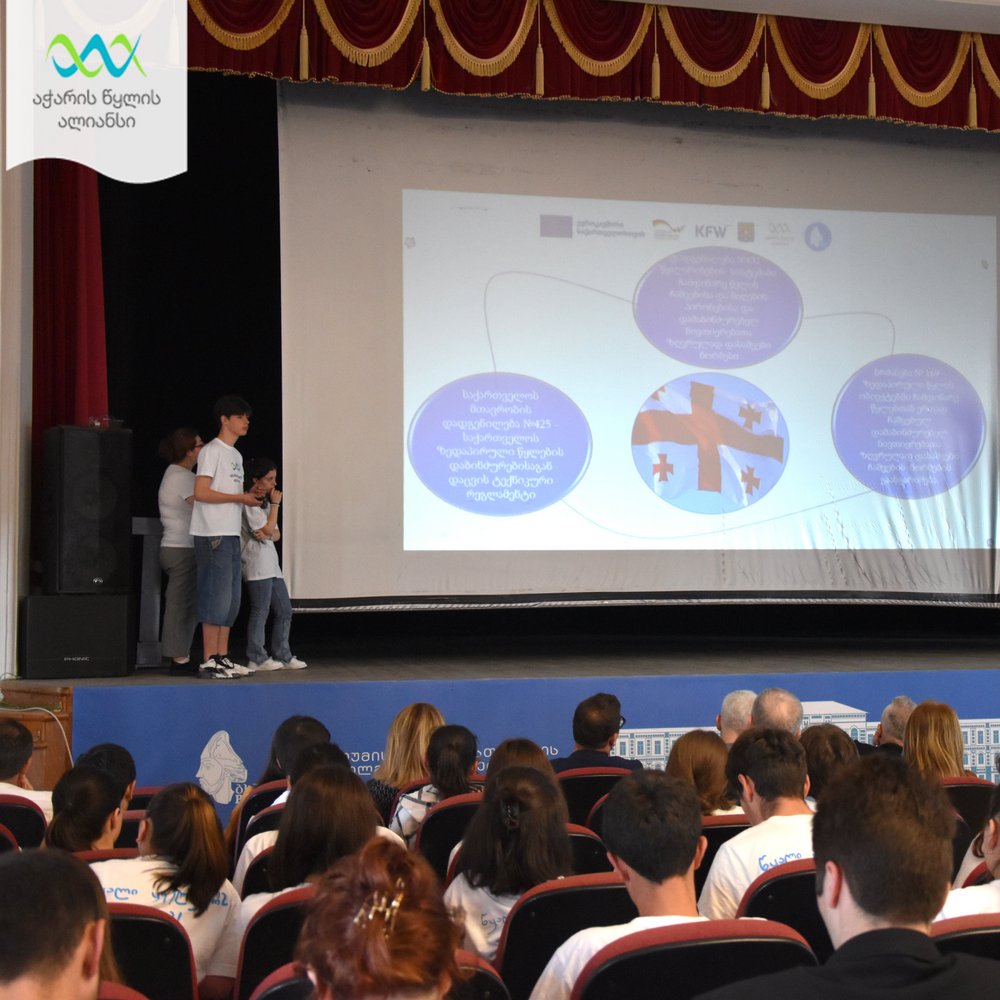
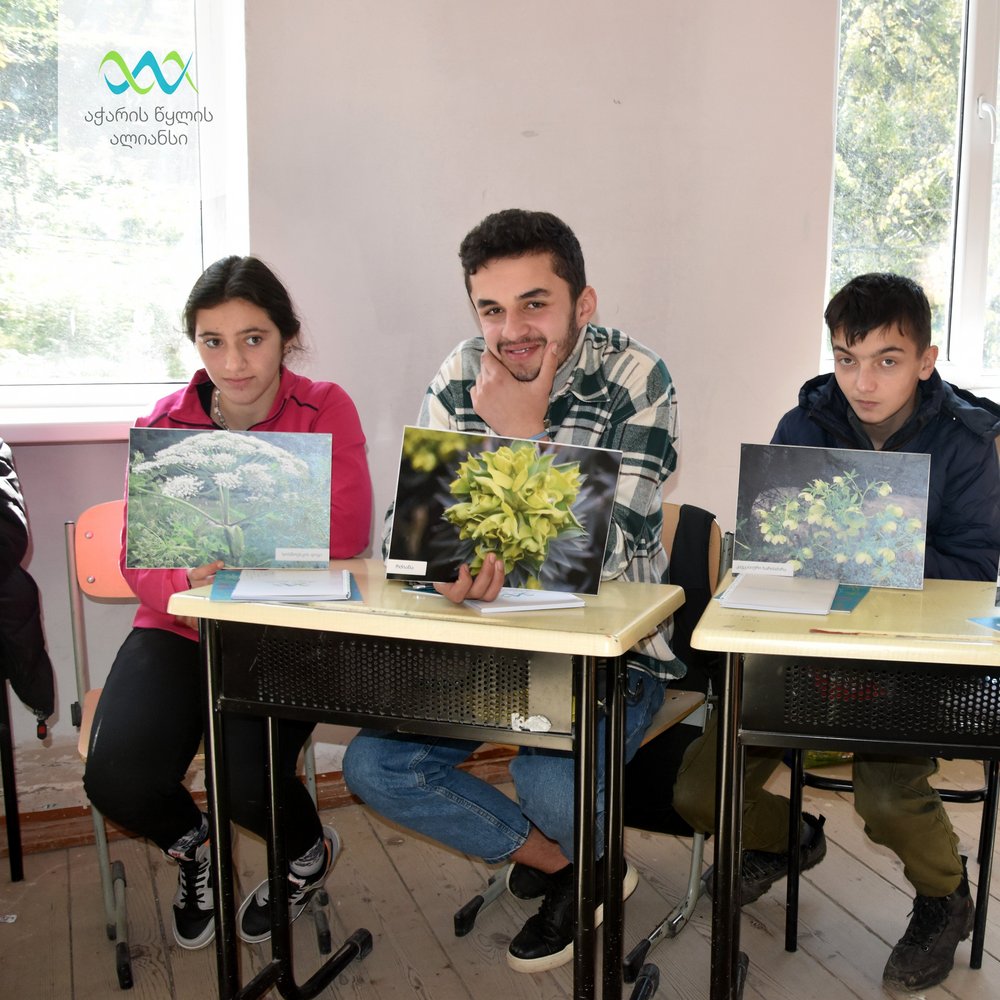
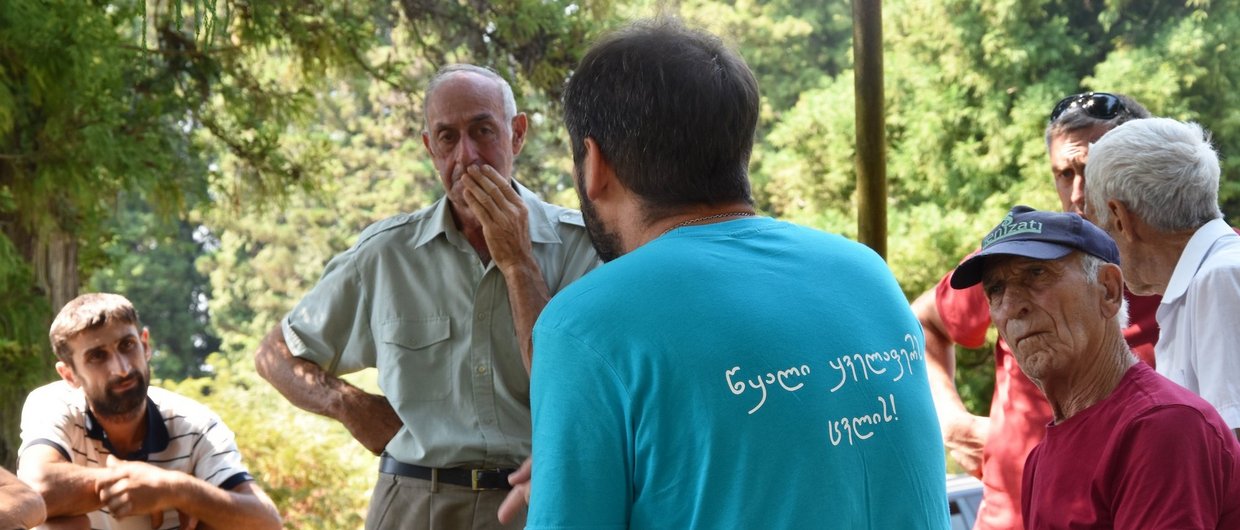
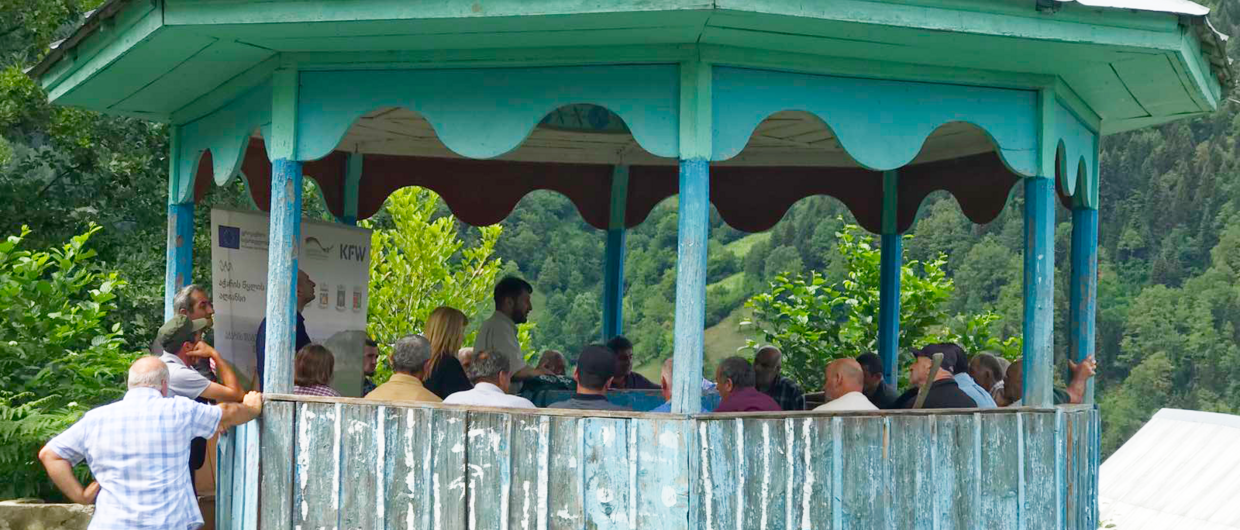
Initially, the eco-club concept was structured to have environment related workshops at each involved school, bringing in experts from the relevant fields and from the universities. Students involved in the eco-clubs have gained hands-on experience in implementing activities, which were documented in the green calendar with photos reflecting the activities uploaded to the Facebook eco club page, as social media is important for visibility and communication with and between the students. An Environmental Summit was held at Batumi Shota Rustaveli State University, where all 23 eco -clubs participated. During the summit, the Eco-clubs presented examples of their work during the recent year. Students now understand how everyday actions impact rivers, forests, and public health. Through environmental clean-up campaigns, usage of water tool kits to monitor the water quality of springs and rivers in their villages, and awareness sessions, the children have become visible role models in their villages—teaching not only their peers, but also parents and neighbours about the importance of water wastewater biodiversity and environment issues.


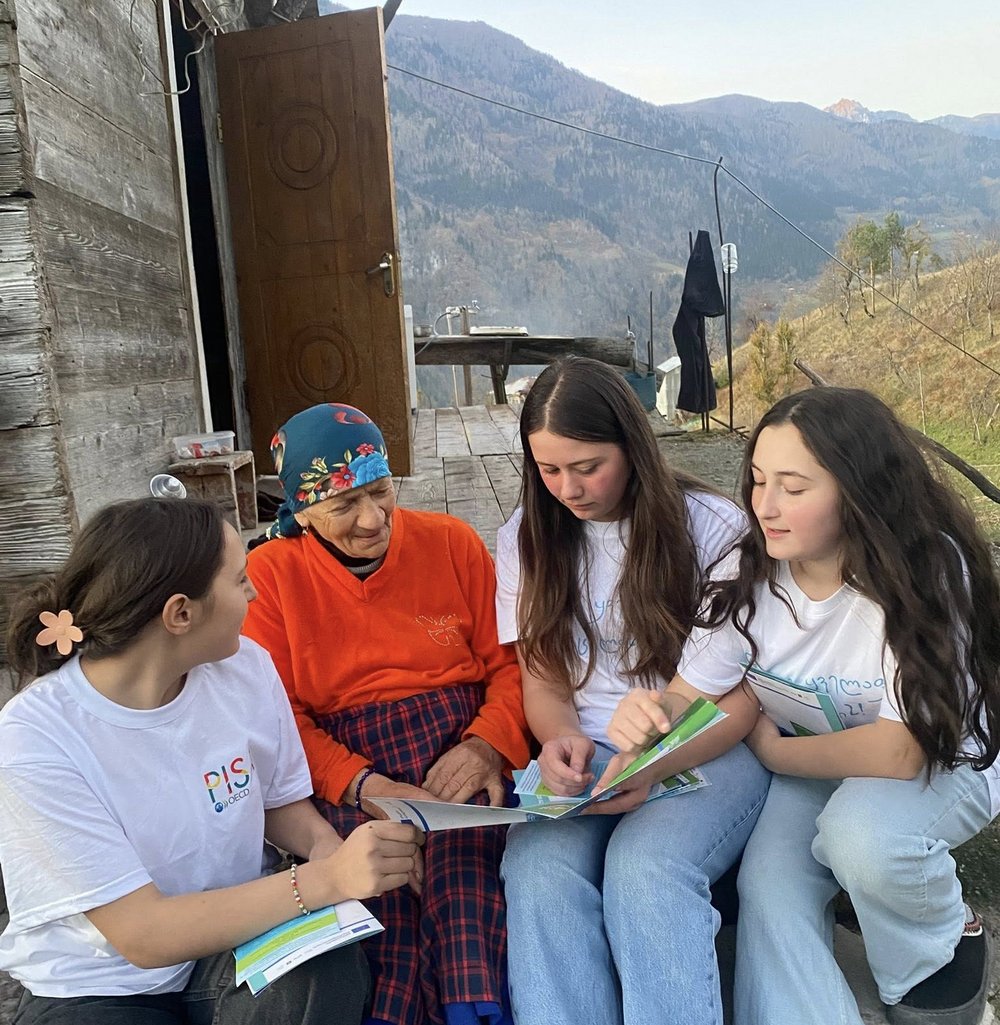
One of the most significant changes has been in the attitudes toward wastewater treatment. In communities where wastewater was traditionally discharged in holes, and the soil later used for fertilization, however not considering the potential contamination of rivers and springs in its vicinity, eco-club members discussed the importance of effective and safe solutions the Ajara Rural Water Supply and Wastewater Program managed by the Ajara Water Alliance offered to village inhabitants: biologically treated septic tanks, community training on affective usage and creating precedent in Ajara mountainous villages. Eco–club students are actively involved to distributing first hand information to their community on proper on advantages of septic tanks.

The eco-clubs have also improved students’ leadership and communication skills. Through meetings, peer-to-peer education, public presentations, and cooperation with local authorities, students acquired the skills to organize campaigns, speak in public, and advocate for environmental protection. Teachers report improved confidence, teamwork, and responsibility among participants.

More importantly, the initiative has also helped build a bridge between schools, the local university, municipalities, and families. Local governments now see students as partners in environmental protection. The university and involved families continuously support school activities, recognizing that their children are bringing practical knowledge and positive change into households.

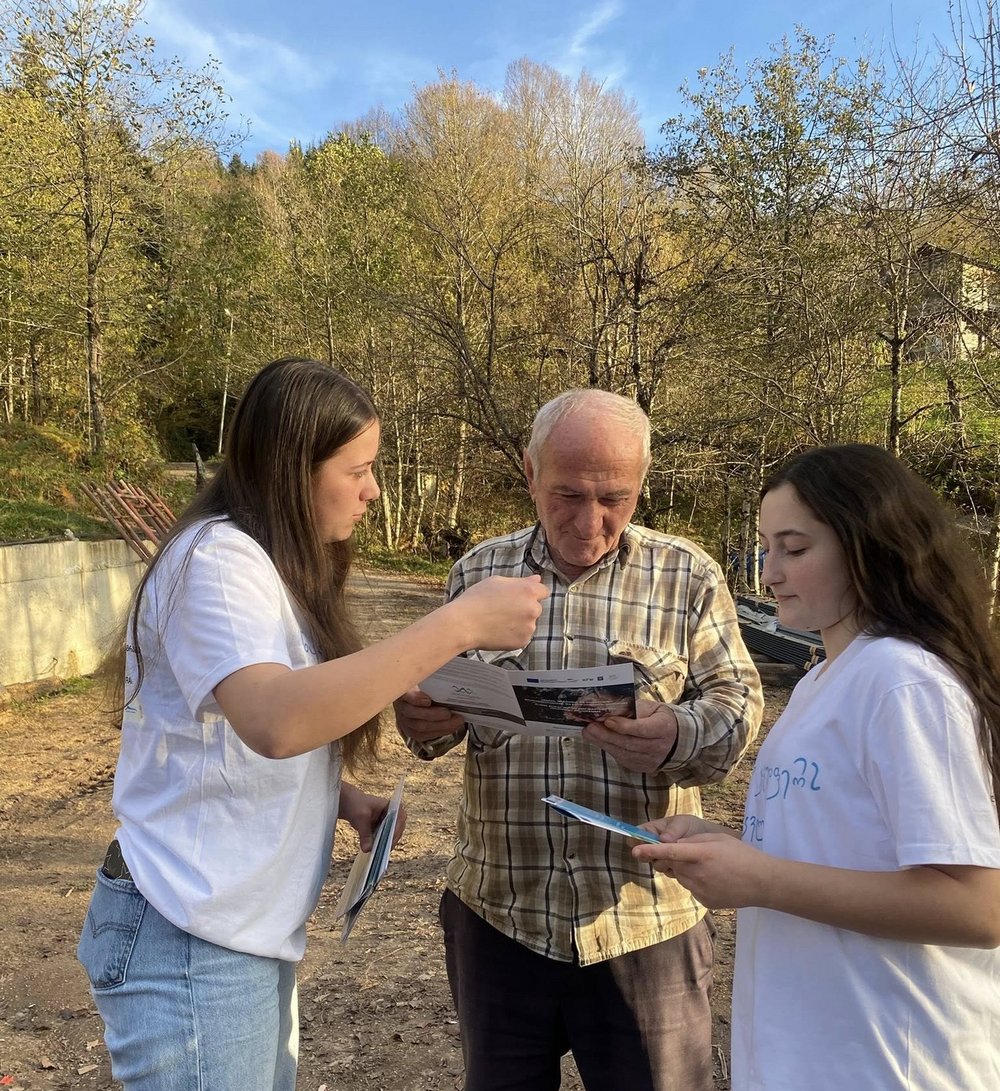
The eco-clubs in Georgia’s Ajara highlands prove that real environmental change does not require large infrastructure alone — it begins with education, youth mobilization and engagement, ownership and community trust. By empowering children with knowledge and responsibility, the project planted seeds that will continue to grow for years to come, shaping a generation that respects nature and protects its future.

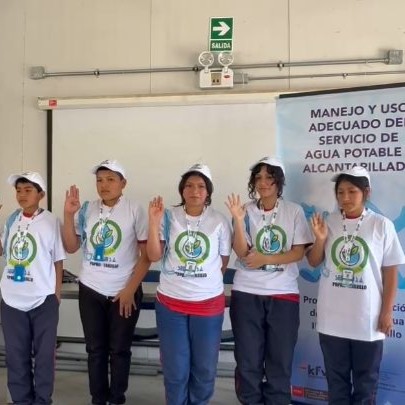
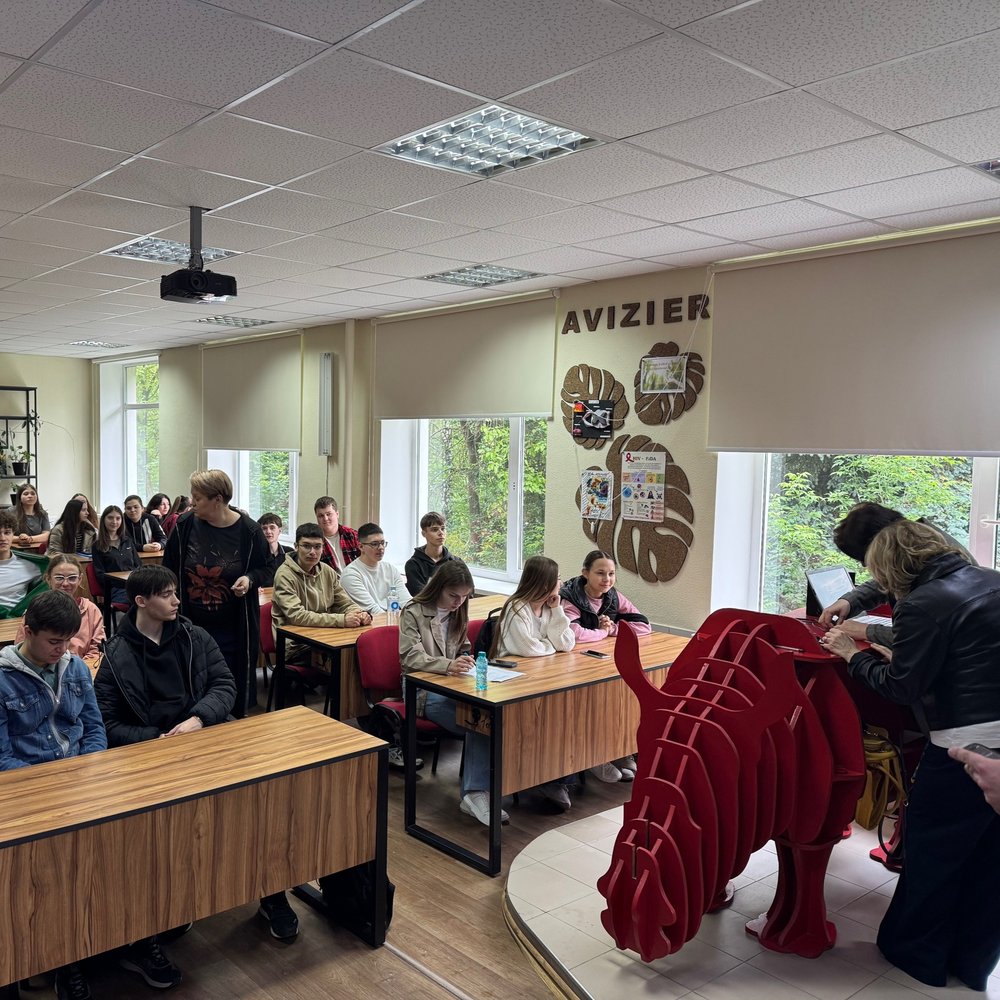
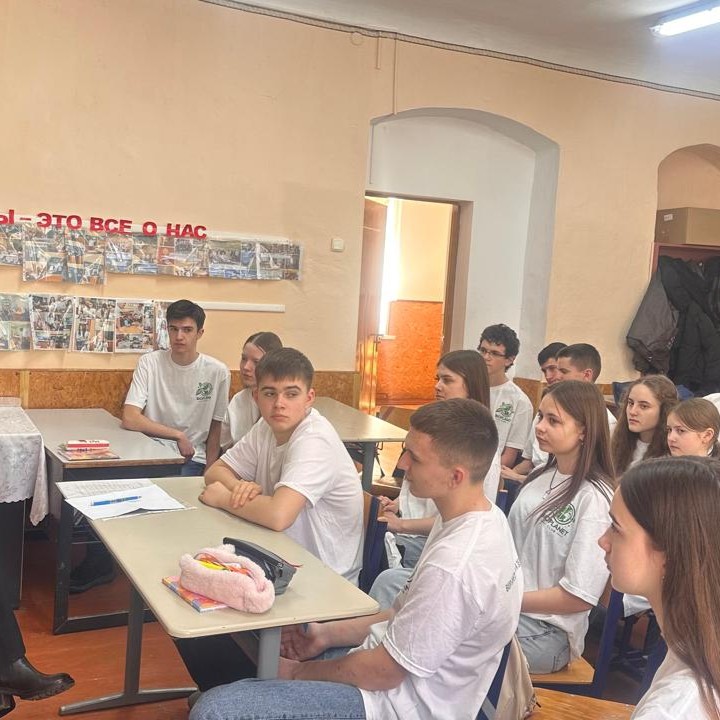
MACS is applying the concept of Eco-clubs as integrated instrument following a holistic and participatory approach in all MACS projects in Sustainable Infrastructure. Eco-clubs are an important instrument of the empowerment of the Rural population. For this reason, MACS has been assisting and extending the establishment of Eco-clubs in Georgia, but also in Moldova, Albania and Peru in the context of other currently ongoing rural and urban wastewater treatment and water supply projects.

Related Content

Project Details

Location: Ajara, Georgia
Duration:
Client: Government of the Autonomous Republic of Ajara / Ajara Water Alliance
Budget: 6,097,467 €
Financier: KfW Development Bank

Info: Assisting the Government of the Autonomous Republic of Ajara and the PEA, the Ajara Water Alliance in the implementation of the Ajara Rural Water Supply and Wastewater Programme.

Georgia: Ajara Rural Water Supply and Wastewater Treatment Programme

MACS in a consortium with GITEC (Germany), IRC (The Netherlands) and the Black Sea Eco Academy (Georgia) is assisting the Government of the Autonomous Republic of Ajara and the PEA, the Ajara Water Alliance in the implementation of the Ajara Rural Water Supply and Wastewater Program as the implementation consultant for investments in rural villages as well as the accompanying measures consultant to develop an adequate institutional structure for the sustainable organization of the water sector in semi urban and rural Ajara.


Services include:

  • the participatory project development, design and supervision of village water supply and wastewater systems.
  • Environmental and Social Impact Assessment of all project sites and project measures
  • Assistance and staff development of the  Ajara Water Alliance
  • Assistance to newly established municipal utilities to be responsible for O&M of the semi urban water supply and wastewater systems
  • Assistance to newly established village user groups for the adequate and sustainable O&M of the village water supply and wastewater systems
  • Development and implementation of an operation and maintenance concept and introduction of a tariff system, allowing for the sustainable functioning of the new systems
  • Assistance in the implementation of a comprehensive communication and visibility program
  • Establishment of an Ajara water monitoring system

The program implementation is based on a participatory basis; hence the assistance measures are based on the active participation, community mobilization of the population in rural Ajara.

Back

Bojana Pavlovic

Consultant for Civil & Hydraulic Engineering

+49 69 943188-0

bojana.pavlovic@macsonline.de

Bojana Pavlovic

Consultant for Civil & Hydraulic Engineering

+49 69 943188-0

bojana.pavlovic@macsonline.de

Civil Engineering & Contract Management

Bojana has a MSc in Civil Engineering, with an area of specialization in Hydraulic and Environmental Engineering.

Bojana is experienced in contract management and before joining MACS was acting as a Qa/Qc Manager during the execution of multiple international projects, such as construction and rehabilitation of water supply and wastewater networks, treatment plants, water intakes, protective dams, reservoirs and related structures.
At MACS, Bojana acts as Assistant Team Leader on the Ajara Rural Water Supply and Wastewater Program.
Beside Serbian as her native language, Bojana is fluent in English, Russian and Spanish.

Matthias Hitzel

Managing Director

+49 69 943188-13

matthias.hitzel@macsonline.de

Matthias Hitzel

Managing Director

+49 69 943188-13

matthias.hitzel@macsonline.de

Management, Chief of Operations

Matthias has a degree in agricultural science and postgraduate honors in rural development and more than 20 years of professional experience in international development projects. At MACS he developed into a prolific Project Manager and Institutional Expert as well as Team Leader who played a major role during the very successful rehabilitation program for water and sanitation in Batumi (Georgia).

In the field of Energy Efficiency and Renewable Energy Matthias has developed a profile for himself and MACS through his work of coordinating the finance division for energy projects in the framework of the Green for Growth Fund (GGF), which has earned a reputation as one of the leading EE/RE funds today.

As one of the Partners and Managing Directors of MACS, Matthias is responsible for operations and financial management at MACS.

Get in touch

Dr. Lia Davitadze

Senior Gender and Communication Consultant

+49 69 9431880

lia.davitadze@macsonline.de