By Nikola Catovic

Solar Power in Serbia

Only 10 years ago, drifting cooling towers and open coal mine pits were the profile picture of the Serbian energy sector. With the lion share of installed capacities used for the generation of electricity on brown coal and lignite, Serbia was topping the international polluting charts for decades. Some studies  indicate that annually close to 2,000 premature deaths and thousands of respiratory and cardiovascular cases are linked to air pollution due to utilization of fossil fuels to meet the energy needs in the country.

For many years, renewable energy sources were  only associated with  massive hydropower plants on the Danube and Drina rivers, built during the former Yugoslav times. Solar PVs and windmills could only be seen  abroad, often raising  questions like: “Why are there no wind parks in Serbia?”

Even though abundant with natural resources, the instable political situation and lack of adequate laws and regulations halted the utilization of renewable energy sources at large scale for decades.

Small but decisive steps were taken only with the Energy law changes back in 2010.  Since then, the country is trying to stick to its green agenda. However, there is no easy path to success. The adoption of the new regulations towards green technologies took off-guard all stakeholders in the market. Investors rushed in but were immediately hit by the harsh reality of an environment inexperienced to embrace the new technologies. Lack of local technical know-how, unaligned regulations and  financial sector inexperienced in green project finance came back as a boomerang to the ambitious plans to transition from an extremely polluting environment to a much greener one.

So, where does Serbia stand today, 10 years after? Well, still approximately 60% of electricity is being produced in thermal power plants running on coal. Overall, in the past 10 years 10% of the generation capacity based on coal was replaced by renewable sources such as wind, small hydro, biogas and PV. But more work still needs to be done. As signatory of the Paris Agreement, Serbia has set its National Determined Contribution (NDC) to the United Nation Framework Convention on Climate Change (UNFCCC) with the commitment to reduce by 2030 its greenhouse gasses emissions (GHG) by 9.8% compared to 1990.

We at MACS had the opportunity to be at the forefront of that development wave  by supporting both investors and financial institutions in building up the needed capacities and a profound understanding of renewable energy systems.

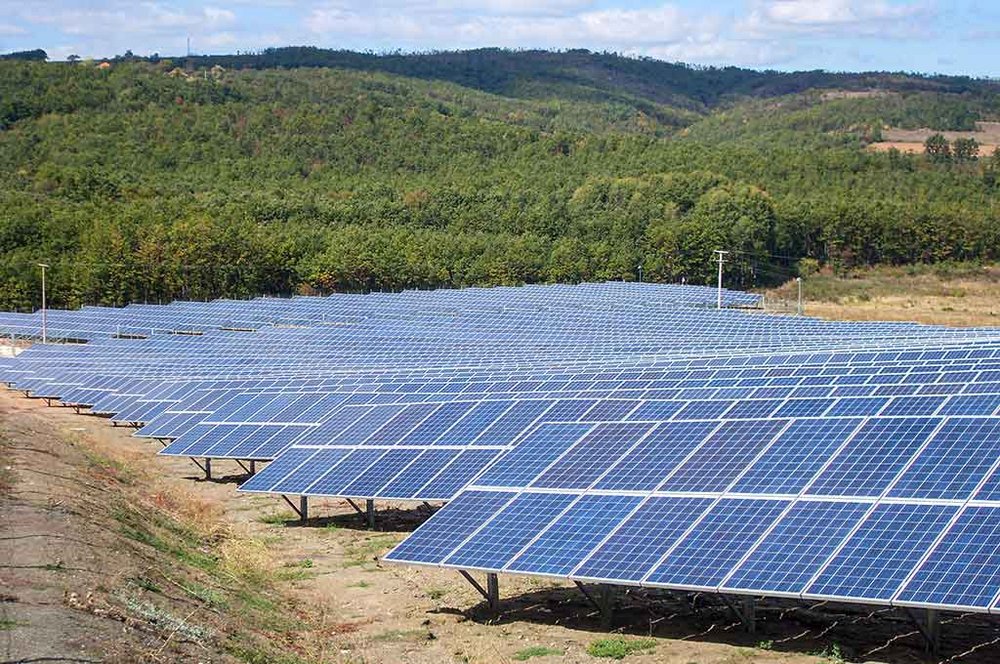
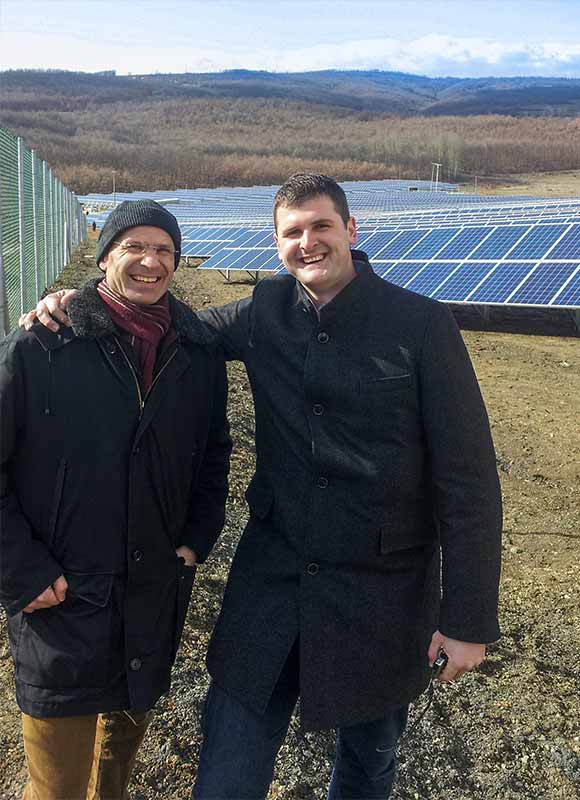
One of the landmark projects we supported was the 2 MW solar power plant Solar Matarova. Built close to the town of Kuršumlija, one of the poorest municipalities in the country, Solar Matarova still stands as the biggest PV project in Serbia, supporting also rural development.

The plant provides clean electricity for about 500 households. That may not sound  like much, but the importance of this investment goes beyond the Kilowatt provided, as it is a lighthouse project for the local community and the wind power community of local investors, financiers, engineers, and workers involved in the implementation, operation and maintenance of the facility.  For Solar Matarova, one of the first commercial renewable energy projects in Serbia, with our DD Plus concept we supported the investor in fine-tuning the project concept as well as the financier with the technical risk appraisal.

Related Content

SERBIA: Boosting Green Transition Financing Conference

Participation in the "Boosting Green Transition Financing - Opportunities and Barriers" Conference

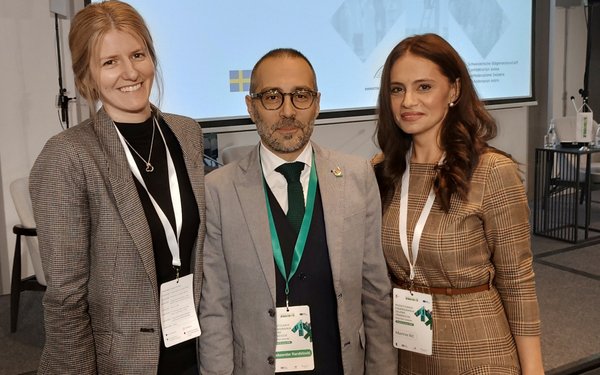
The conference "Boosting Green Transition Financing - Opportunities and Barriers" , taking place on the 24th of January, brought together all key players - policymakers, donors, commercial banks and companies. The aim of the conference was to hear the opinion of all stakeholders and to share the knowledge and experience on the opportunities and obstacles of green financing.

The State Secretary's message was that Serbia is undoubtedly progressing towards a green transition, however there is plenty of room for more energy efficiency and renewable energy projects. Representatives of the EU in Serbia, as well as the EIB and EBRD, sent a clear message that the funding from the EU have already been allocated and that the utilization phase is now up to commercial banks and the end-beneficiaries.

As a technical consultant, MACS is a key link between banks and clients, so our presence, discussion and networking at this event was useful for both us and them. We are particularly pleased that during the event, attention was paid to the E&S assessment, which is among the main pillars of our scope of work with commercial banks. The increased attention this segment is receiving recently strongly confirms our efforts in embeding it in the everyday procedures in the commercial banks.