By Matthias Hitzel

Transition to secure water and
sanitation at the Black Sea

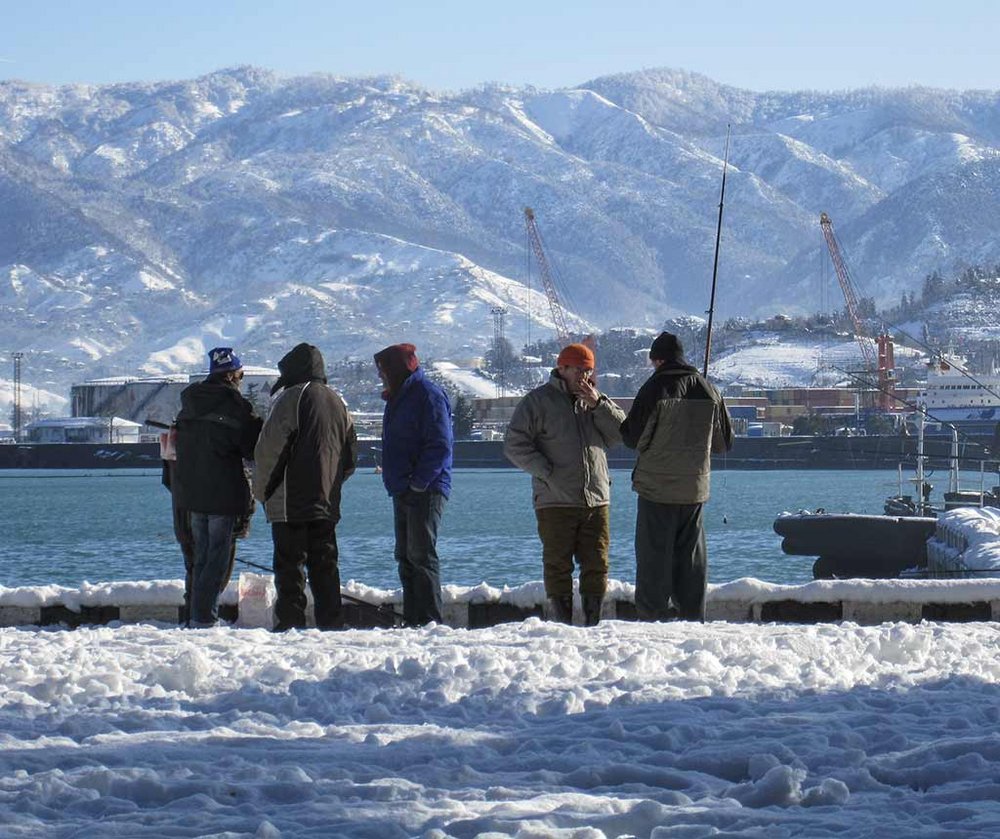
It was winter in the Caucasus region and an ice storm hit Batumi heavily. The year was 2018 and the overhead electricity lines collapsed, and the city of 250,000 inhabitants, located at the Black Sea coast in Western Georgia, was out of electricity for a full week. As the director of the local television was preparing the agenda for the next day TV news an old thought came up to her mind: For how long people will be out of water? She quickly checked her agenda and realized something strange: nobody mentioned problems with the water supply system – the opposite, people mentioned to be actually impressed that the water supply was continuing! How come? As faster as the thought came up in her mind it faded away. It was an old problem from the difficult not so long ago past when the deteriorated Soviet water supply and wastewater system in Batumi, being fully abandoned, did not function.

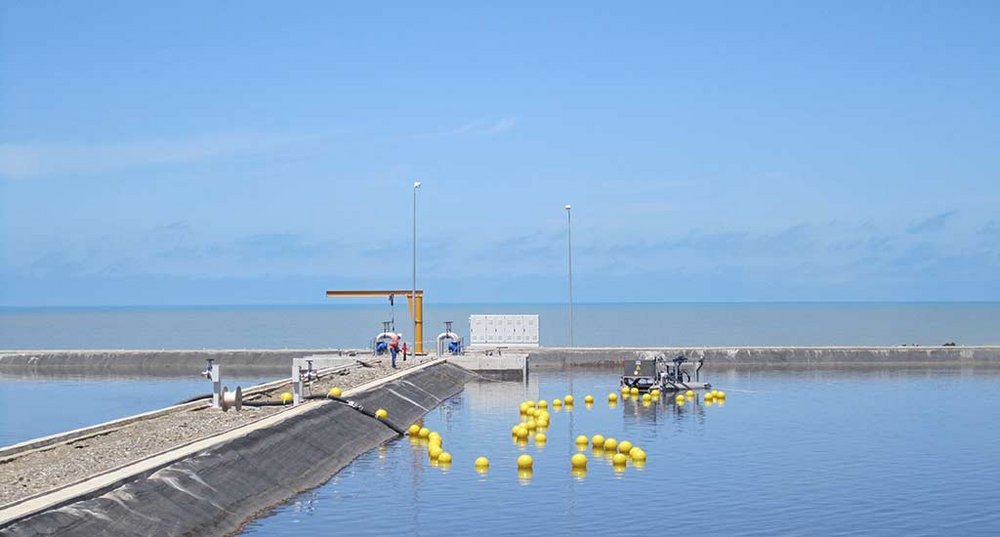
Since 2010, everybody in Batumi is supplied with uninterrupted, reliable and high-quality water. The non-functional wastewater treatment plant that released all wastewater untreated into the Black Sea was replaced by an award winning new and modern wastewater treatment plant that purifies the wastewater before it is released to the Black Sea, hence dramatically contributing to the Black Sea water quality and the revival of biodiversity.

The newly established municipal water utility is managing to control and reduce water losses. The MACS consultant statement “the construction of a new infrastructure is easy, compared to operate and maintain the new facilities,” was broadcasted and a new concept of sustainable managing was being introduced in the region. The qualified team of the water utility, Batumi Tskali – Batumi Water - applying modern technologies and following a very clear customer focus did a great job. More than 75% of the water that is produced reaches the citizens now and elevates Batumi on a level of France or the UK.

MACS is assisting the municipality of Batumi and the municipal utility Batumi Tskali since 2005 and alongside an over EUR 160 million investment program in the framework of the German-Georgian Financial Cooperation, through KfW Development Bank and co-financing of the European Union. Broadcast good news makes everybody proud and happy including us, at MACS.

Related Content

PERU: Leadership and Program Owership for PRPA II

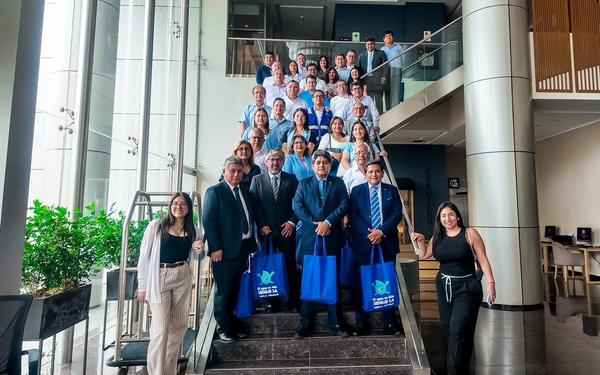
Event for the Perdidas II Water Loss Reduction Program in Trujillo for SEDALIB employees and top management

On February 23, 2026, a workshop titled “Leadership and Program Ownership” was held in Trujillo as part of the institutional strengthening activities of MACS as part of the Water Loss Reduction Program (PRPA II), .

The event aimed to reinforce the leadership and commitment of representatives from SEDALIB in the implementation and sustainability of the program. The workshop was led by change management specialist María Elena Sandia Saldivia.

Discussions focused on collaborative leadership, change management, effective communication, and organizational integration. The initiative encouraged participants to take on an active role as change agents and to embed the program’s actions into the company’s organizational culture. These efforts are expected to strengthen operational efficiency, enhance financial sustainability, and improve service quality, ultimately contributing to an effective reduction of non-revenue water.

The workshop brought together 46 mid- and senior-level SEDALIB employees, including the Chairman of the Board and the General Manager, as well as representatives from all operational, strategic, and support areas of the company, and received very positive feedback and engaging participation from all participants.